

Electric: a New generation of motorcycles
Tillverkarna har insett att de behöver tänka i segment – precis som med bensindrivna hojar. Den nya generationens elmotorcyklar utgår från förarens drömmar och behov. En eldriven offroadhoj, till exempel, ställer ju helt andra krav på chassi och batteri än en smidig pendlingsmaskin som glider genom stadstrafiken. Samtidigt är det en marknad i ständig förändring. Nya modeller lanseras, andra försvinner eller pausas. Här har vi samlat några av de modeller som finns på marknaden just nu.
Enduro and offroad
Off-road riding is perhaps where electric power has found its most natural home. Riding often happens at low to medium speeds, with a strong focus on balance, grip and precision. Range in kilometres is not as crucial as it is for a touring bike. Instead, it is about ride time, consistent response and low physical strain.
The electric motor brings clear advantages here: immediate torque, the rear brake moved from the foot to the handlebar, and the rider no longer having to think about clutch and gears. The same bike can be gentle and easy-going one moment and extremely fast the next, depending on settings and riding mode. The limitation is not performance, but battery run time, which can be restrictive in, for example, long-distance races.
Models in the segment
Stark Future (Sweden/Spain)
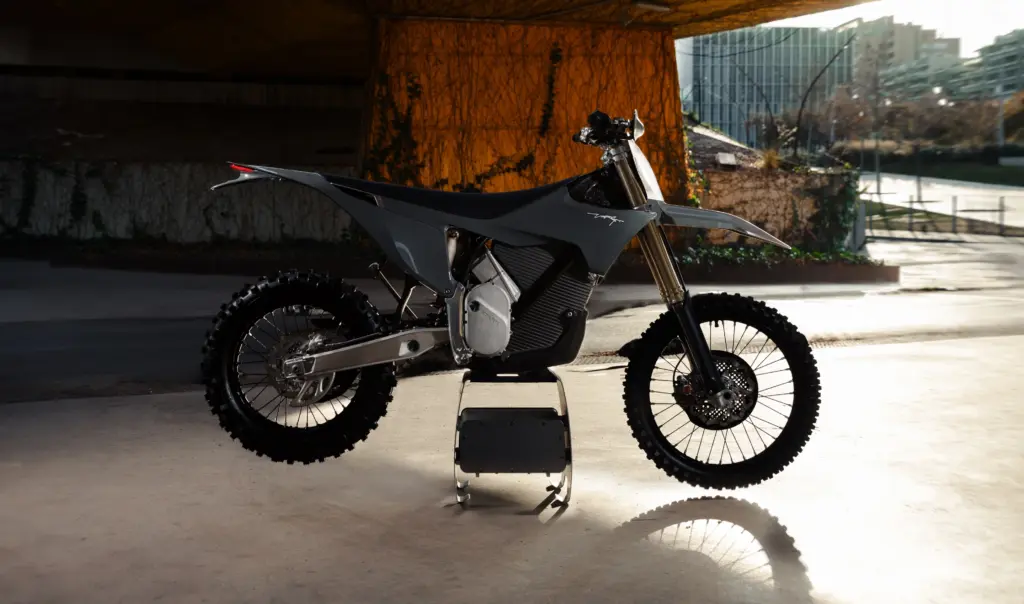
Stark Varg: Motocross and enduro.
The Stark Varg has been developed with the aim of offering maximum control and adjustability. Using an app, the rider can fine-tune power output, throttle response and engine braking to suit the surface, the track and their riding style. The result is a bike that can feel both easy to ride and extreme – depending on the chosen settings.
Electric Motion (France)
Epure: A pure trials bike built for maximum precision and control. Ultra-lightweight, quiet, and with exceptionally sensitive throttle response.
Escape: It takes technology from the world of trials and packages it into a more versatile trail bike, complete with a seat.
Sur-Ron (Kina)
Storm Bee: Their first full-size model, positioned between off-road and dual-sport riding.
Light off-road use and entry-level riding.
At the other end of the off-road segment are lightweight electric bikes for children, young riders and beginners, designed to introduce the next generation of motorcyclists.
KTM / Husqvarna (Austria)
KTM SX-E / Husqvarna EE-series: Mini motocross bikes for children. One of their greatest strengths is that they can “grow with the rider” – both seat height and power output can be adjusted in several stages, from beginner level to full race performance.
Oset (Great Britain)
Several models: Focused on electric trials and off-road motorcycles for children.
Urban commuting
In city traffic and everyday commuting, the use case is more predictable. Distances are often known in advance, speeds are lower, and as charging infrastructure continues to expand, maximum range becomes less critical for daily use.
Models in this segment
Zero Motorcycles (USA) SR, SR/F, SR/S: The core of Zero’s electric line-up begins with the lighter S and SR models (A2-compliant), ideal for urban riding and country roads.
The next step up is the performance-focused SR/F (naked) and SR/S (sport), which we take a closer look at in the Sport and muscle bike section.
Honda (Japan) WN7
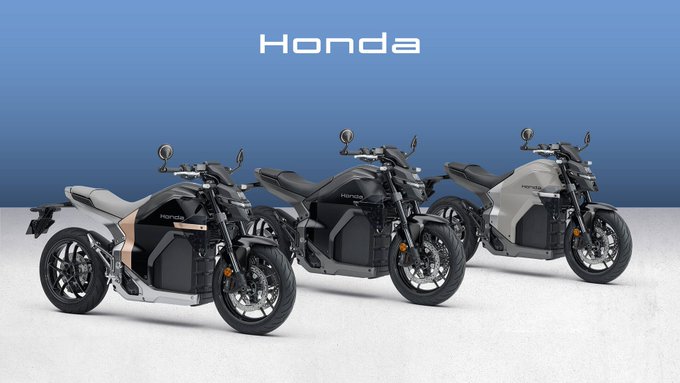
The Honda WN7 was unveiled at EICMA 2025, with the first deliveries to dealers planned for early 2026.
The WN7 combines the practical functionality of a commuter bike with modern design and technology, appealing to riders who want more than just a means of getting from A to B.
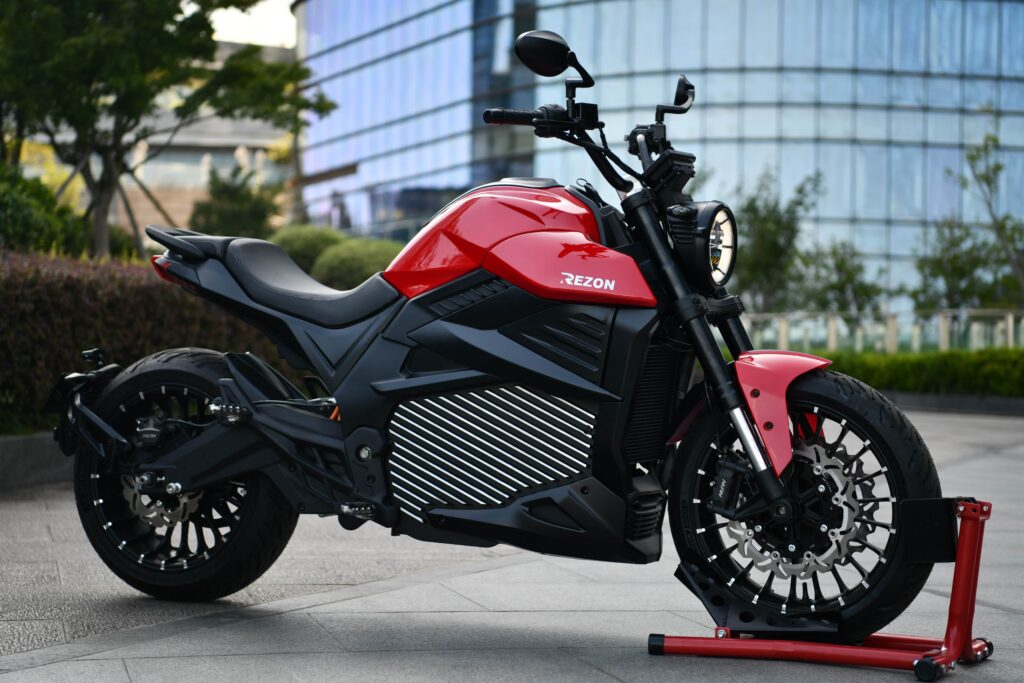
Rezon Bohemia (Czech Republic)
A small European brand focused on electric motorcycles with a clear retro influence.
Rezon Bohemia blends classic design with modern electric technology, placing strong emphasis on craftsmanship, simplicity and an easy, approachable riding experience. The model is A1 licence compliant and also offers fast-charging capability.
Super Soco (China) TC Max: A pure urban motorcycle in the 125cc class, combining classic café racer styling with electric drive, built for smooth and stylish commuting.
Maeving (United Kingdom) RM1 / RM1S: Maeving’s standout feature is its removable batteries, which can easily be taken indoors and charged from a standard wall socket, making them ideal for riders living in apartments. The RM1S is the higher-performance version, offering increased speed and power.
Design and identity
Here, the focus is as much on appearance, material choices and the riding experience as it is on outright performance.
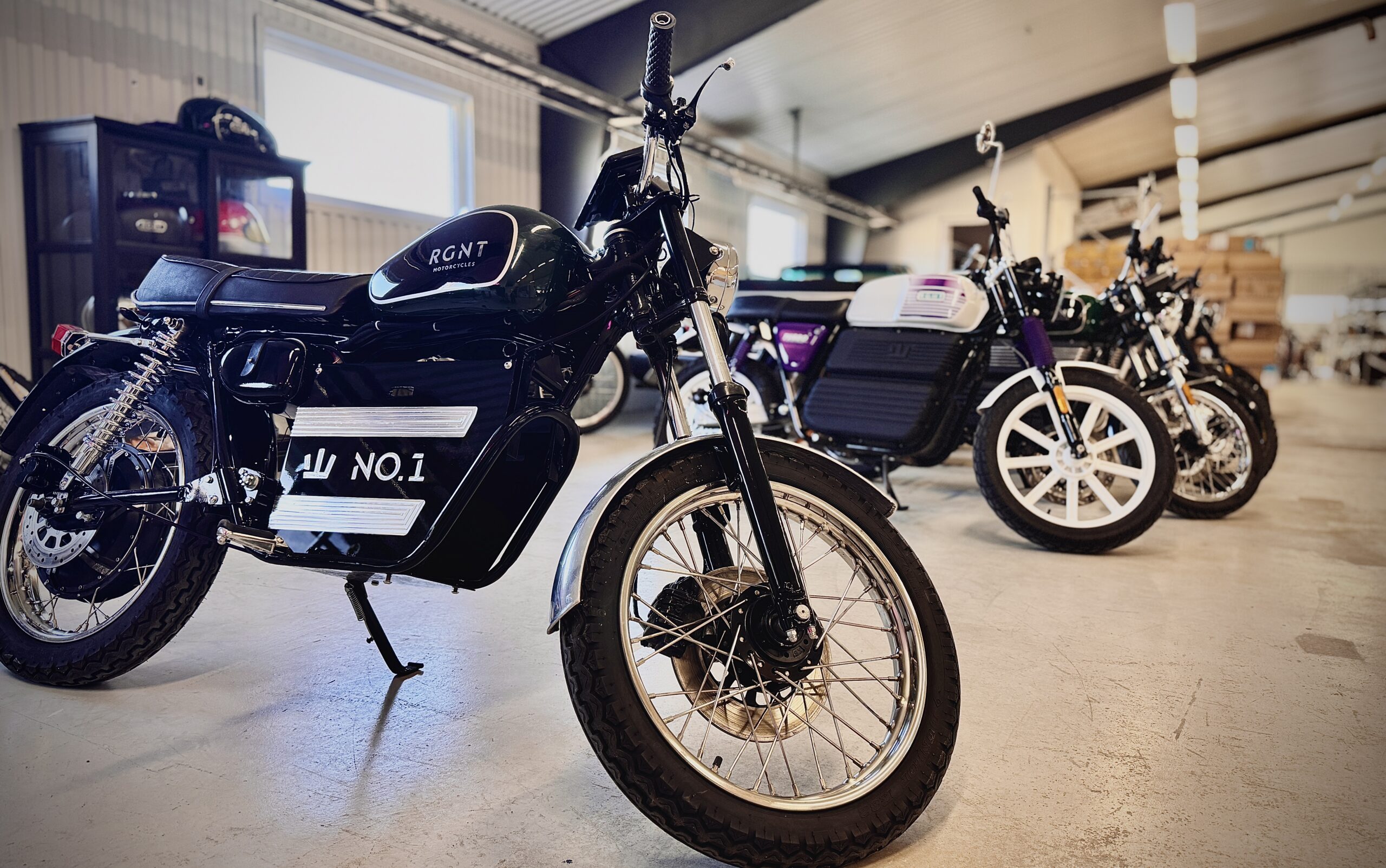
RGNT (Sweden) No. 1 / Scrambler
A Swedish brand building handcrafted electric motorcycles, with timeless, classic design firmly at the centre. The No. 1 is an elegant retro roadster, while the Scrambler version features a more rugged look with chunky tyres and higher handlebars.
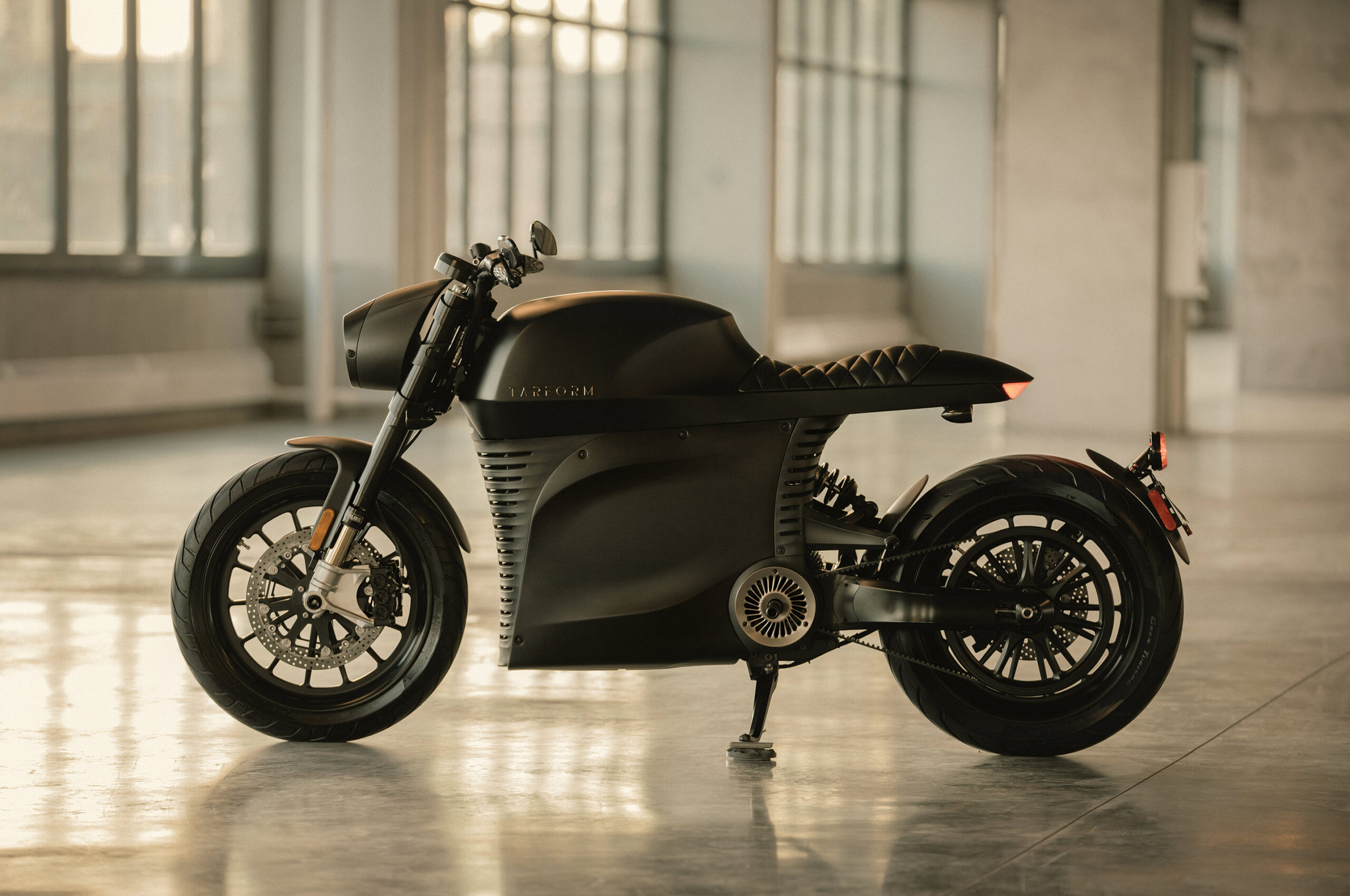
Tarform (USA/Sweden) Luna / Vera
A premium brand that combines futuristic design with sustainability and advanced technology.
Luna is the original, more powerful model, while Vera is a lighter and more agile version designed for urban riding. (Vera is planned to launch in the USA in spring 2026, with Europe to follow.)
Sport and muscle bikes
Beyond commuting, there is a sport-oriented road segment. Here, the focus is on acceleration, stability and overall riding feel. Range is tailored for day rides, with charging often planned as part of the journey. The segment is smaller than its petrol-powered equivalent, but technically mature.
Models in this segment
LiveWire (Harley-Davidson, USA)
Harley-Davidson’s electric spin-off, now established as a standalone brand. These motorcycles have a distinct “American muscle bike” character, with a strong emphasis on torque and build quality.
LiveWire ONE: Their first and most well-known model, featuring a unique design and a purpose-developed sound created to give the bike its own character.
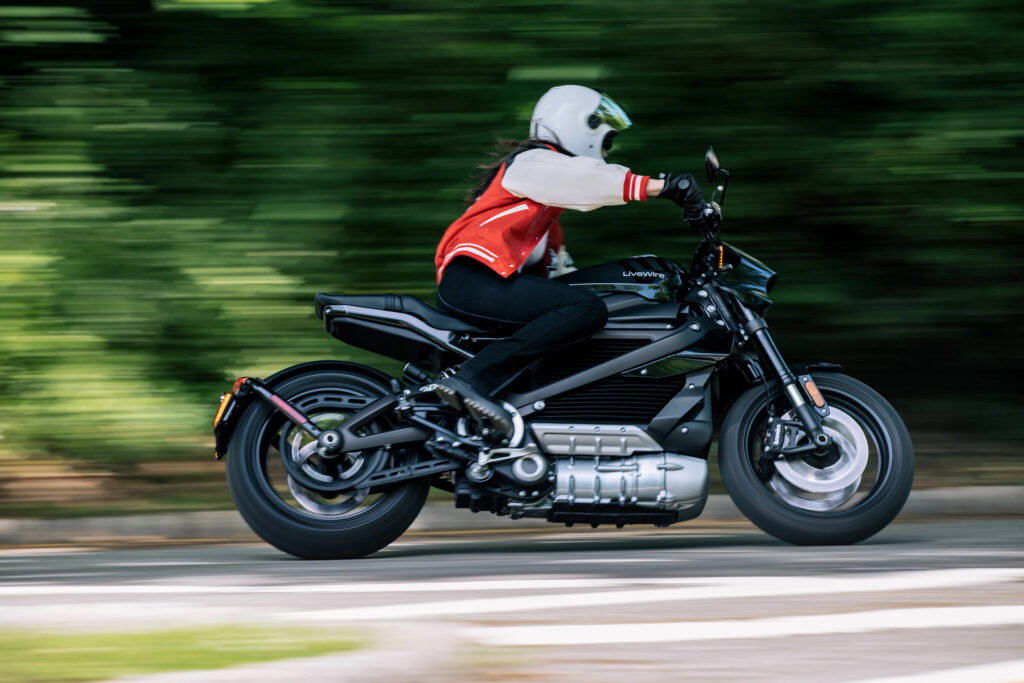
LiveWire S2 Del Mar: A newer and slightly smaller model built on an entirely new platform. It is lighter and more agile than the ONE, with styling that leans towards flat-track influences. It remains highly sporty and quick, but is aimed at a slightly different style of riding.
Zero Motorcycles (USA)
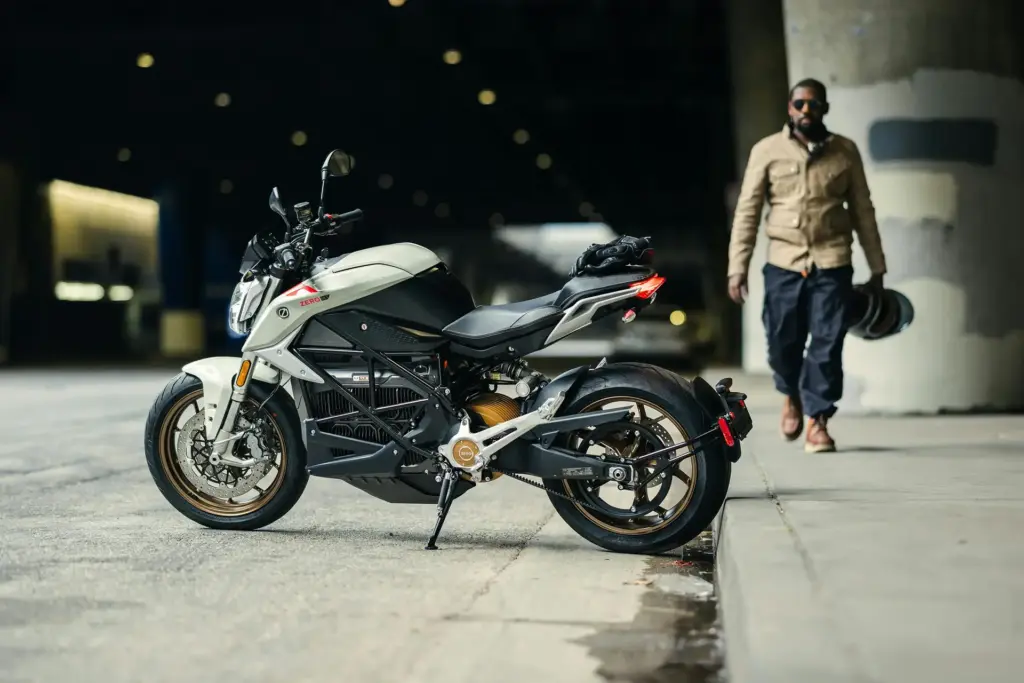
Zero Motorcycles (USA)
One of the leading and most established manufacturers of electric motorcycles.
Zero SR/F: Zero’s flagship in the naked streetfighter class. Designed for raw, immediate performance, with an aggressive riding position and enormous torque available from standstill. A true muscle bike built for active, engaging riding.
Zero Motorcycles SR/S: The fully faired sister model to the SR/F. It shares the same explosive performance, but offers a more relaxed riding position, improved wind protection and greater comfort. A versatile sport bike that is just as capable on the daily commute as it is on winding weekend rides.
Energica (Italy)
Energica has its roots in racing, having served as the sole supplier to the MotoE championship for several years, and it clearly shows in their motorcycles.
They are known for extremely high power output, premium components and DC fast charging fitted as standard.
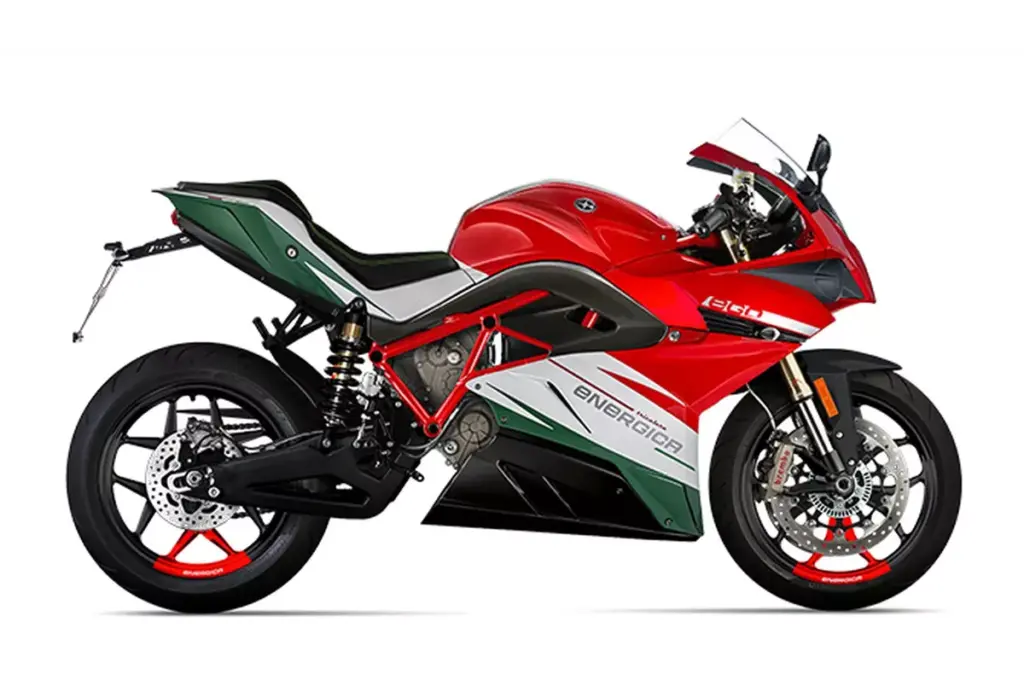
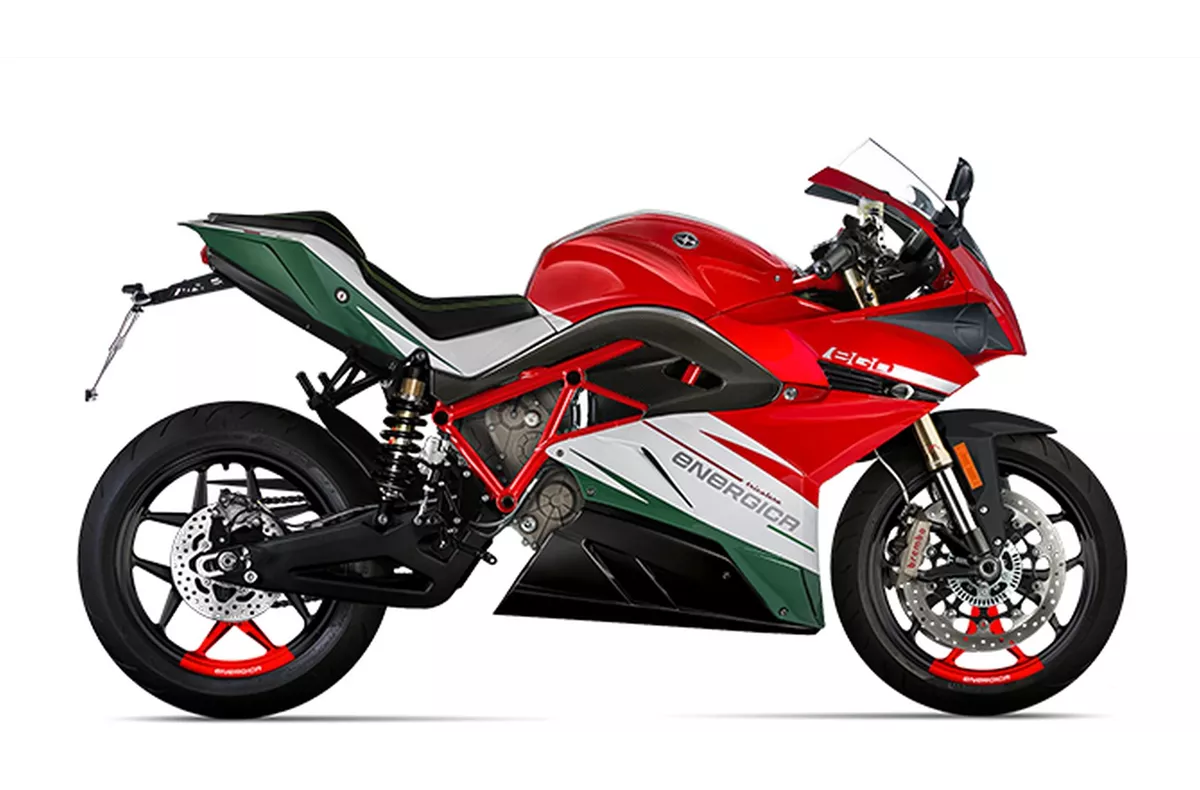
Energica Ego / Ego+: Their purebred supersport motorcycle. With full fairings, an aggressive riding position and performance that matches – and often surpasses – petrol-powered superbikes in acceleration, this represents the very top tier of electric performance.
Energica Eva Ribelle: Essentially a naked version of the Ego. It shares the same motor and battery, but features a higher handlebar and a more upright riding position.
Kawasaki (Japan)
One of the first major Japanese manufacturers to launch electric models in Europe. It is important to note, however, that these bikes sit in a very different performance class compared to Zero and Energica.
Kawasaki Ninja e-1 / Z e-1: Styled to closely resemble their petrol-powered counterparts in the Ninja and Z families, but with performance tailored to A1 licence requirements. They are sporty in both appearance and handling, but their focus is on urban riding and serving as an entry point into electric motorcycling rather than outright performance. They feature an “e-boost” function for temporary extra power.
Dark horses and new contenders
The market is moving quickly, and there are several other extremely interesting models worth keeping an eye on.
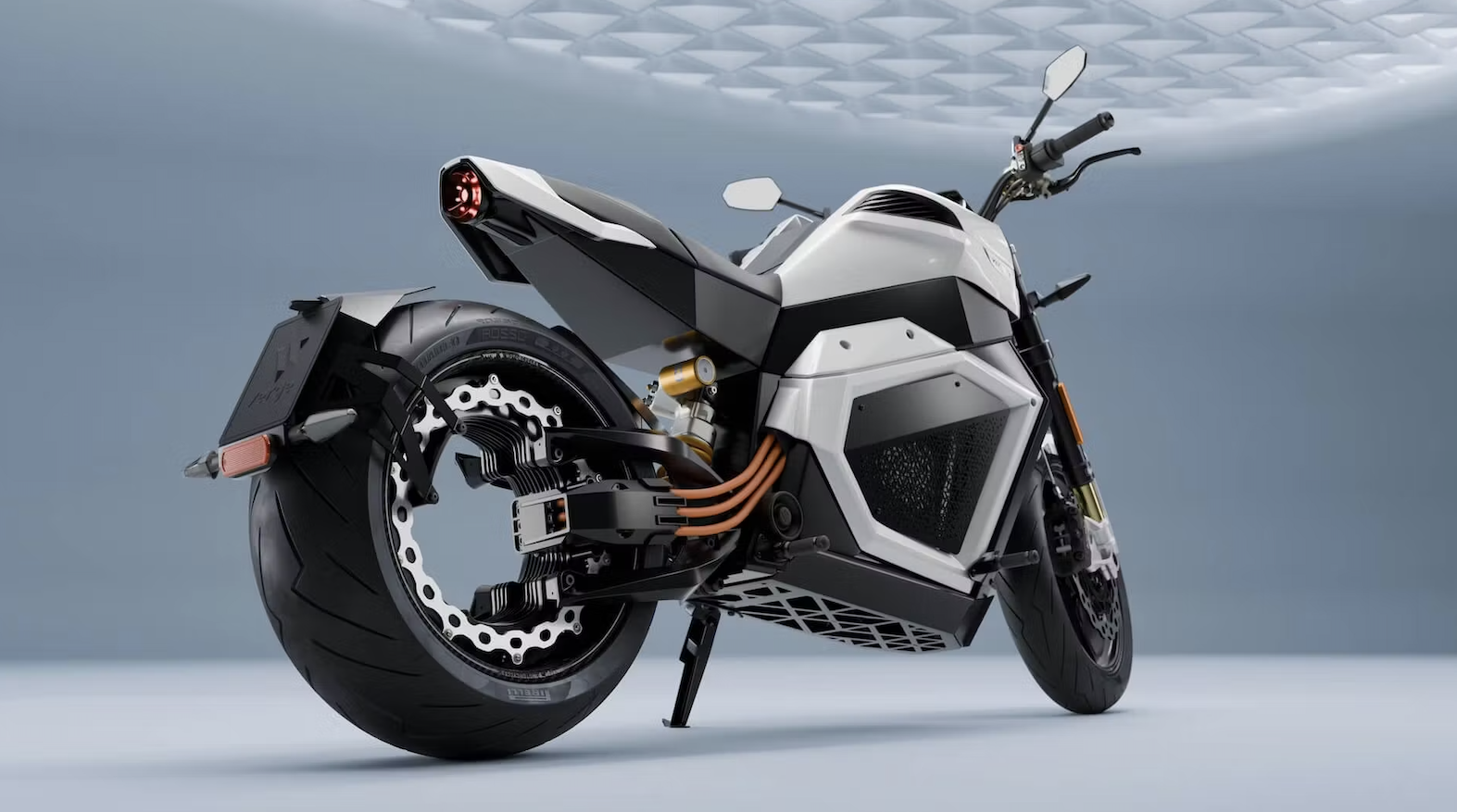
Verge TS / TS Pro (Finland): A truly stand-out innovation. It features a unique hubless rear-wheel motor that gives the bike a strikingly futuristic look and delivers massive torque directly to the rim. In terms of performance, it competes head-on with the most powerful models from brands such as Energica and Zero Motorcycles.
Damon Motorcycles Hypersport (Canada): A high-performance machine that has attracted significant attention. It stands out thanks to advanced technology such as CoPilot (a warning system offering 360-degree awareness) and Shift (which allows the rider to electronically adjust the riding position between sport and touring while on the move). The company’s European expansion is currently under way.
Adventure-inspired models
The adventure segment is the most challenging for electric power. Riders want the ability to cover long distances, carry luggage and occasionally leave the tarmac, while range and charging infrastructure still impose clear limitations.
Models in the segment
Zero Motorcycles DSR/X: A serious attempt to create a full-size electric adventure motorcycle. With long-travel suspension and an upright riding position, it is well suited to both tarmac and gravel roads. Featuring off-road riding modes and enormous torque, it is a quiet yet highly capable adventure bike, although longer journeys require careful planning around the realities of electric power.
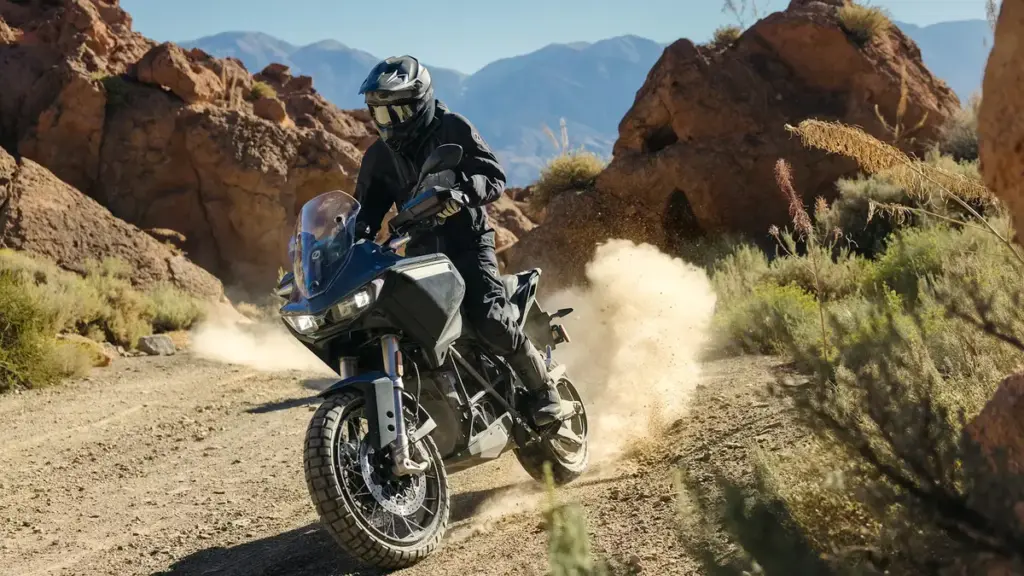
Can-Am Origin: Leans more towards the dual-sport end of the spectrum. Lighter, more agile and focused on versatility close to home rather than long-distance touring. Well suited to everything from daily commuting on tarmac to easy forest trails and gravel roads at the weekend.
Conclusion
Development is moving quickly, and the range continues to evolve. Test rides are planned over the coming year to complement this overview with real-world experience – going beyond concepts, specifications and ambition.
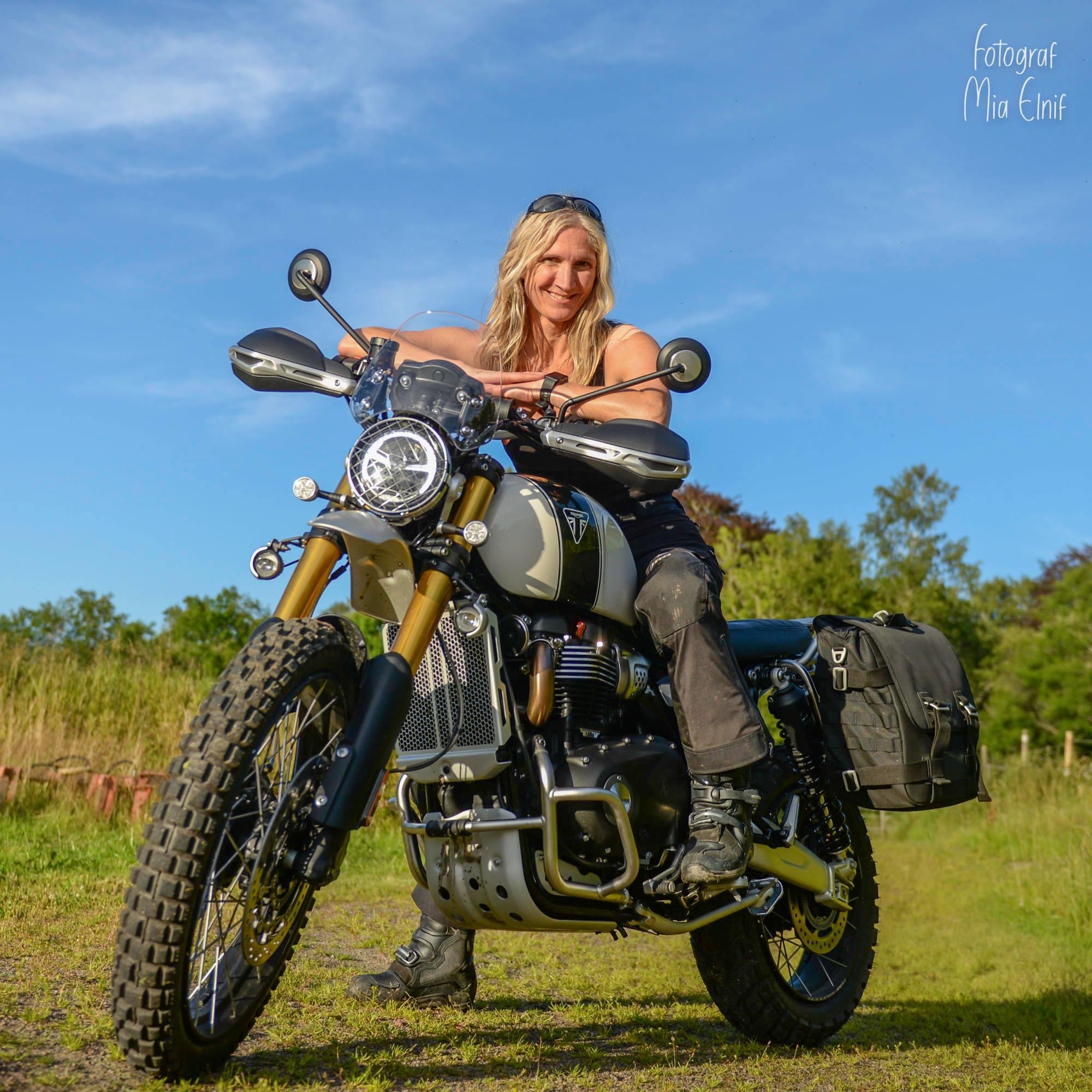
Anna Haglund