

Indian Motorcycle – from Swedish watchmaker to American icon
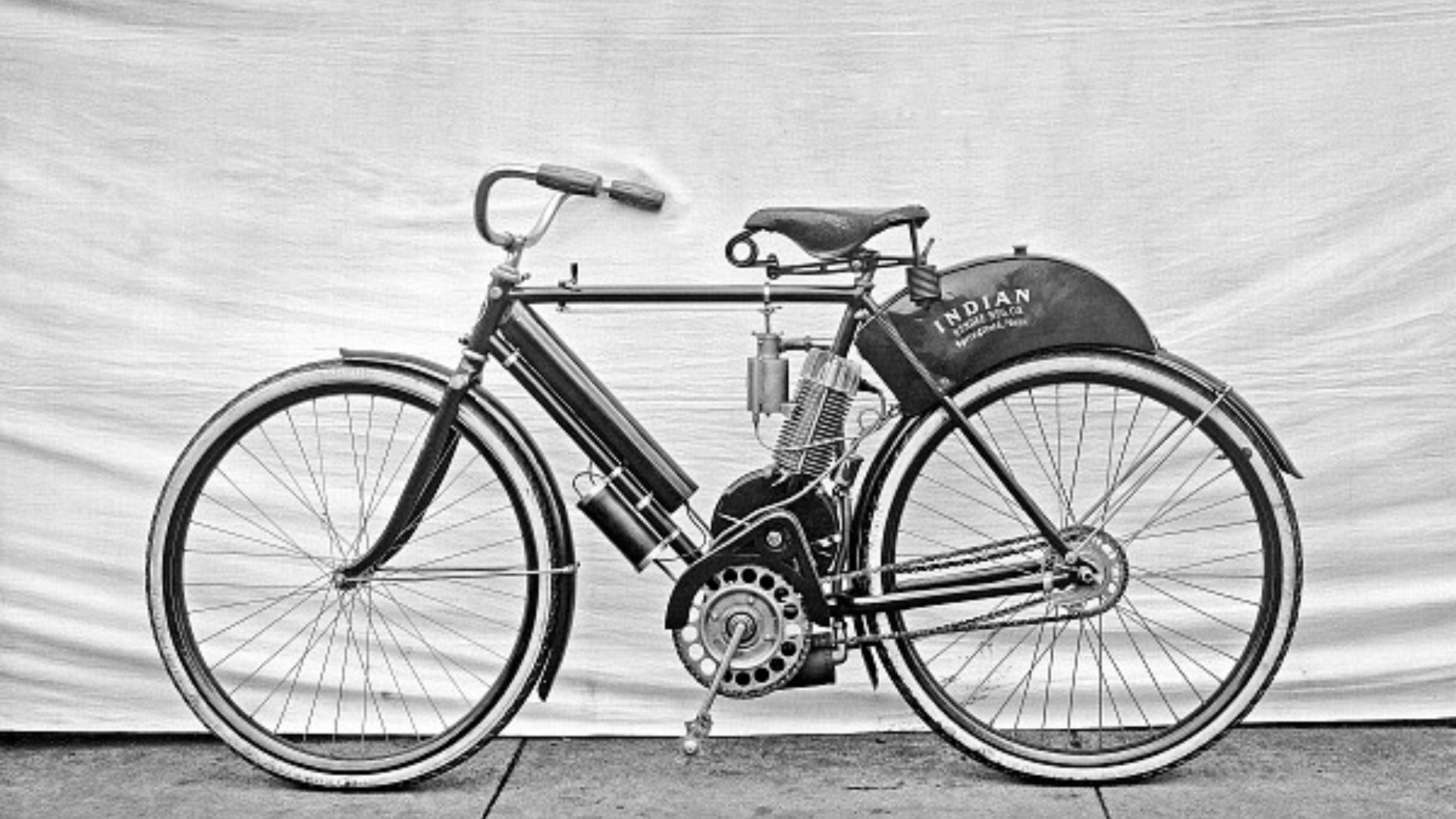
The story begins around the turn of the 20th century, at a time when velodrome cycling was one of America’s biggest spectator sports. Wooden oval tracks – velodromes – drew large crowds who came to watch cyclists chase speed records.
One popular racing format was motor-paced racing. In this discipline, the cyclist rode closely behind a pace bike – a bicycle fitted with a small engine – which cut through the air ahead and reduced wind resistance. By staying directly in the slipstream, riders could maintain far higher speeds than would otherwise have been possible.
The problem was that early pace bikes rarely worked well. They were often hastily assembled, ran unevenly, vibrated heavily and frequently broke down. Rather than demonstrating what the new technology could achieve, they highlighted how unreliable it was.
This is where Oscar Hedström enters the story.
Hedström was born in Sweden and emigrated to the United States with his parents. Although he built his life in America, he maintained a strong connection to Sweden throughout his life and remained in contact with relatives there.
He trained as a watchmaker – a craft that demands extreme precision – and carried that meticulousness into engine development. His main area of expertise became carburettors, at a time when achieving the right balance between air and fuel was almost considered black magic. Hedström succeeded where others failed. His engines ran smoothly, steadily and reliably. When his pace bike appeared on the velodrome track, the difference was immediately noticeable. For spectators and competitors alike, it was the first time they had seen a two-wheeled motor function the way it was supposed to.
One of those who took notice was George Hendee, a former velodrome racing cyclist who had become a bicycle entrepreneur. With experience in both racing and business, he quickly saw the potential of Hedström’s technology – not only for sport, but for the future of personal transport. Hendee’s company, the Hendee Manufacturing Company, was already using the brand name American Indian for its bicycles, a name that was soon shortened to Indian. When Hendee and Oscar Hedström took the step from bicycles to motorised two-wheelers in 1901, the name came with them – laying the foundation for what would become Indian Motorcycle.
From racetracks to roads
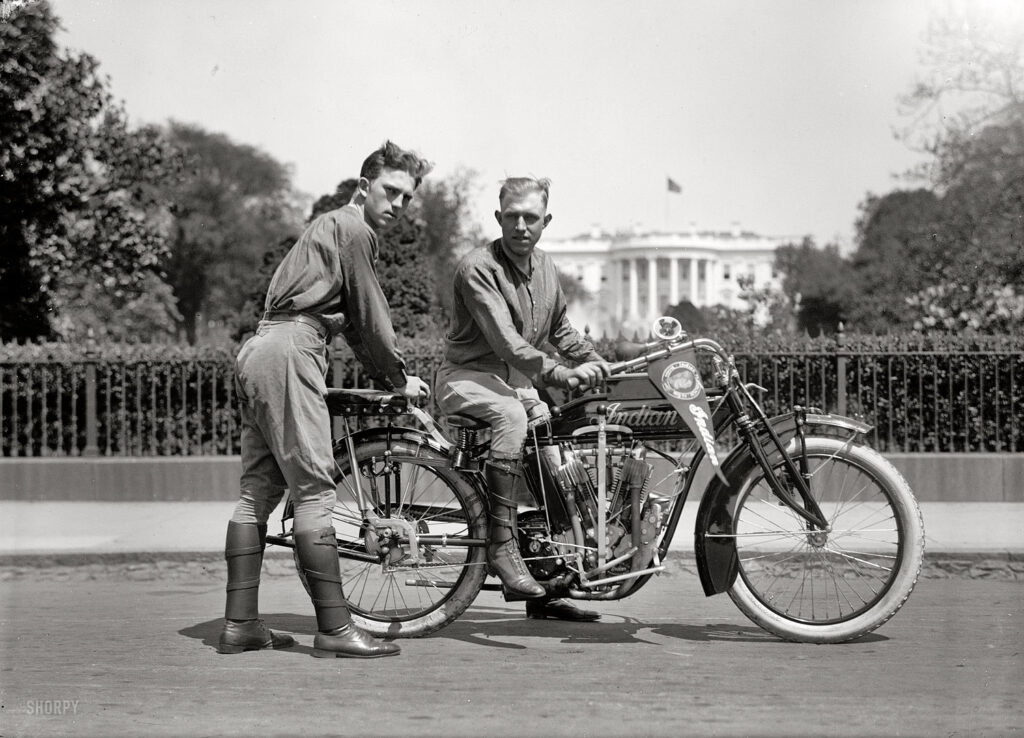
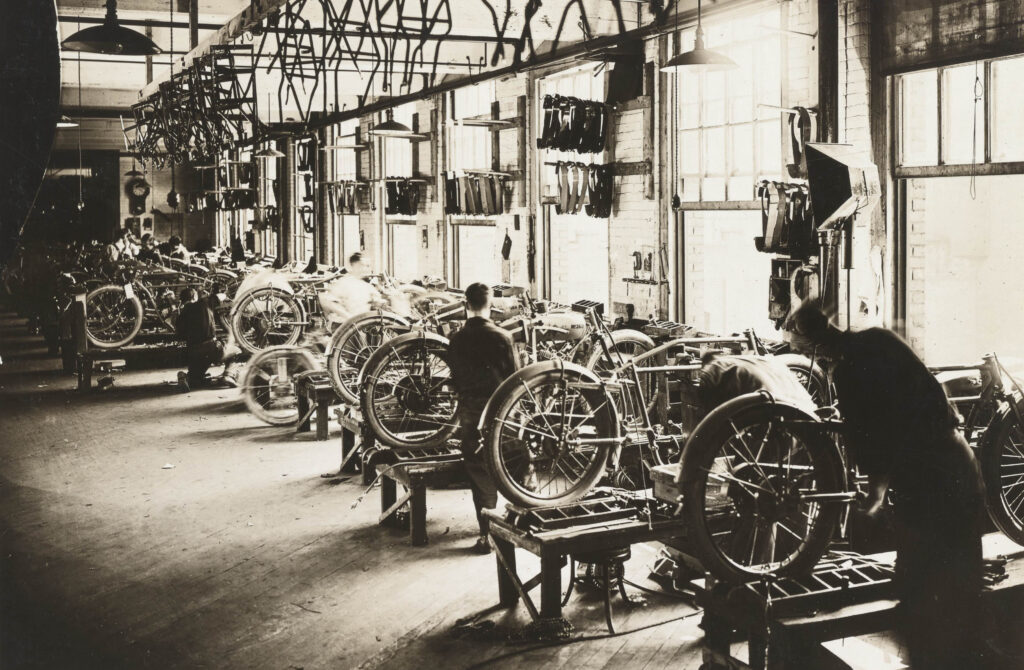
The first Indian motorcycles clearly had their roots in pace bikes, but they were quickly developed for everyday use. During the 1910s and 1920s, Indian Motorcycle became one of the world’s largest and most successful motorcycle manufacturers.
Models such as the Scout and the Chief became icons – not only as motorcycles, but as symbols of freedom, speed and American motorcycle culture. Indians were used by civilian riders, racers and the military alike.
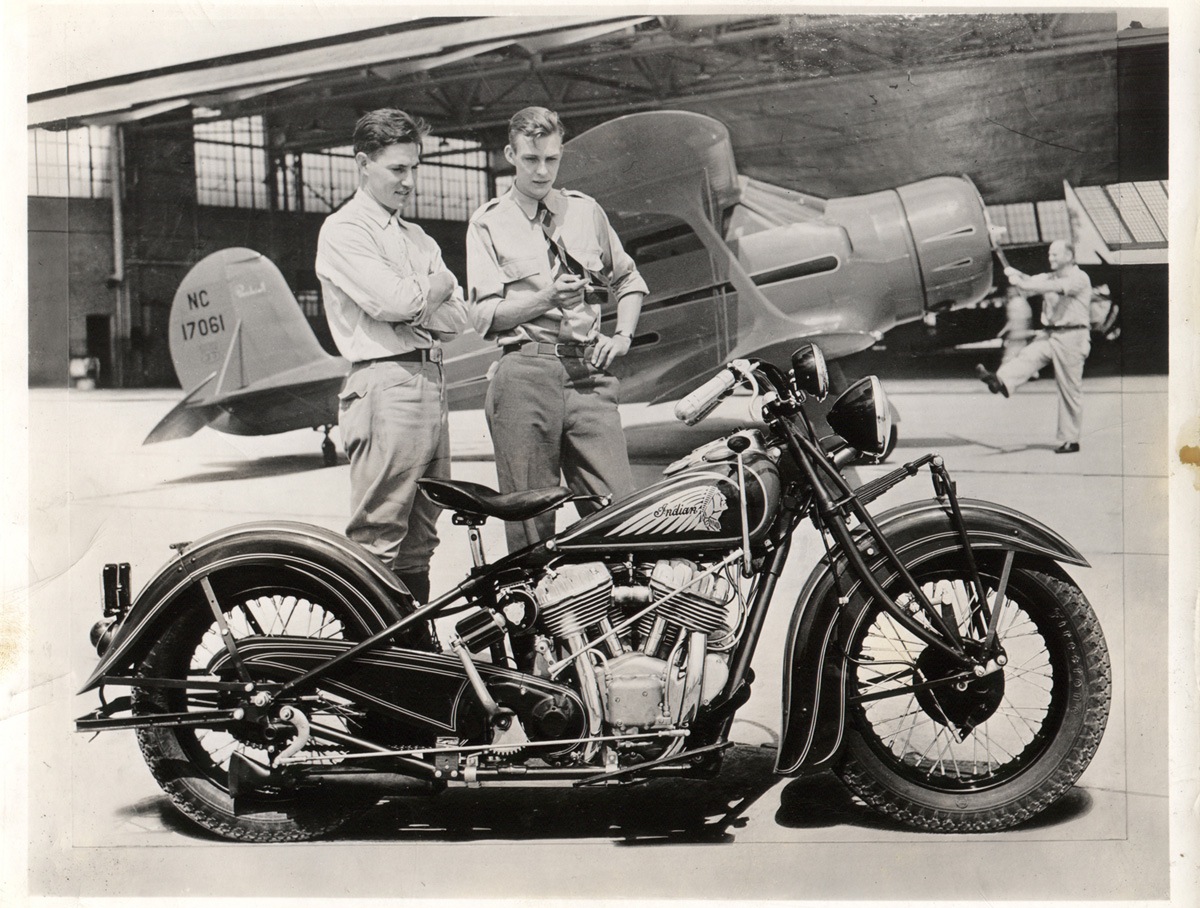
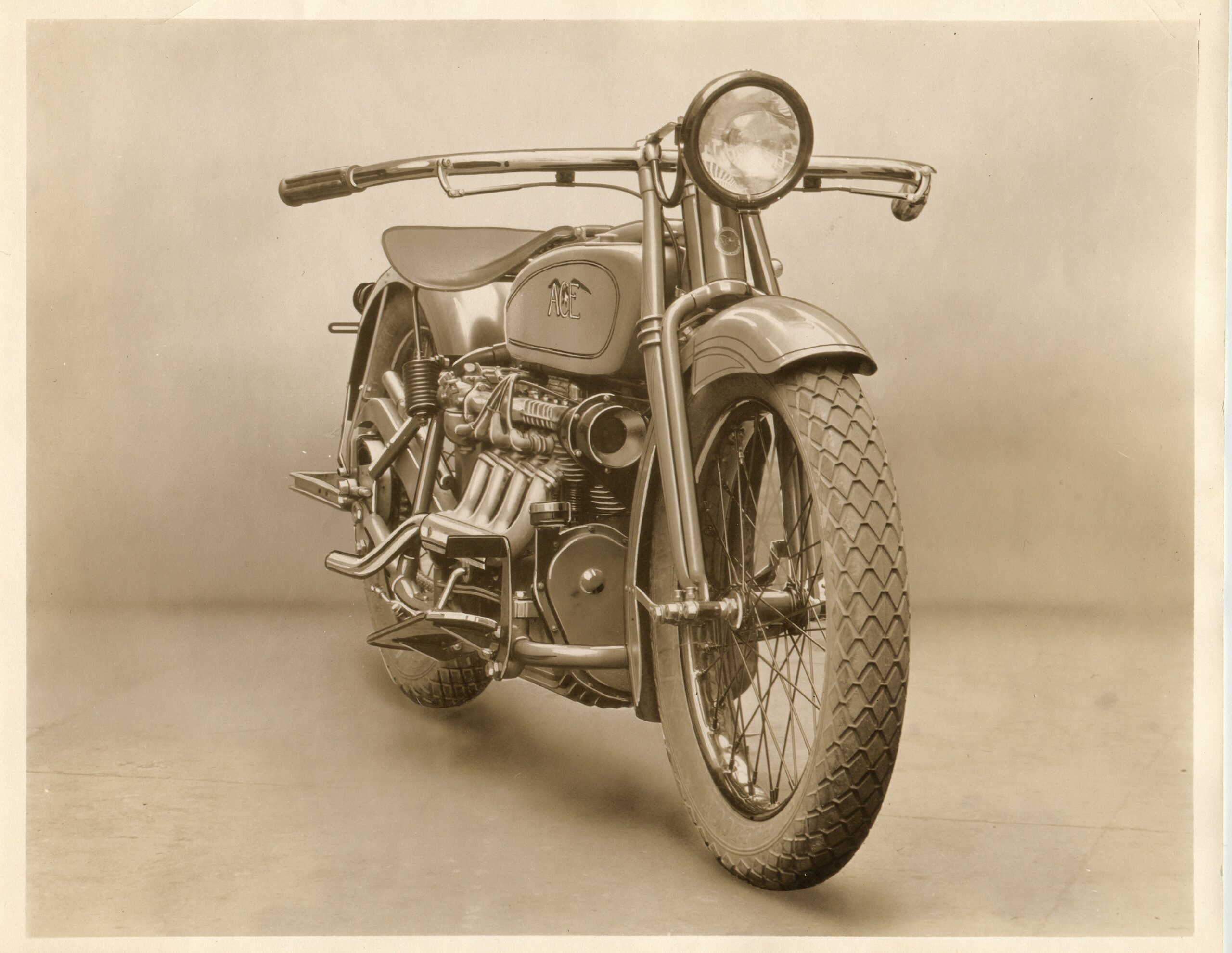
However, success was followed by crisis. Competition intensified, the economy faltered, and in 1953 the company went bankrupt. For several decades thereafter, Indian Motorcycle lived on mainly as a legendary name, while various attempts to revive the brand failed.
The modern revival
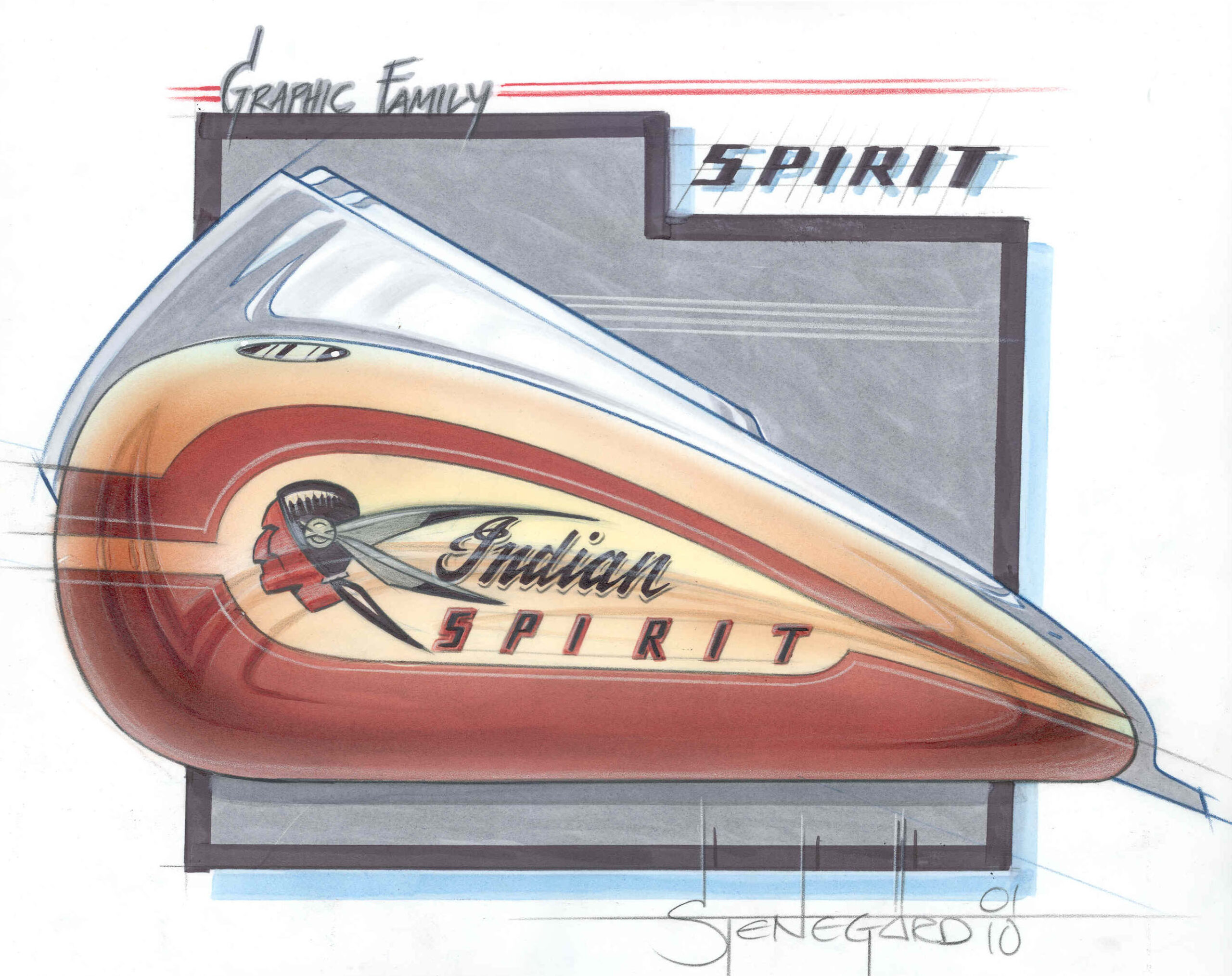
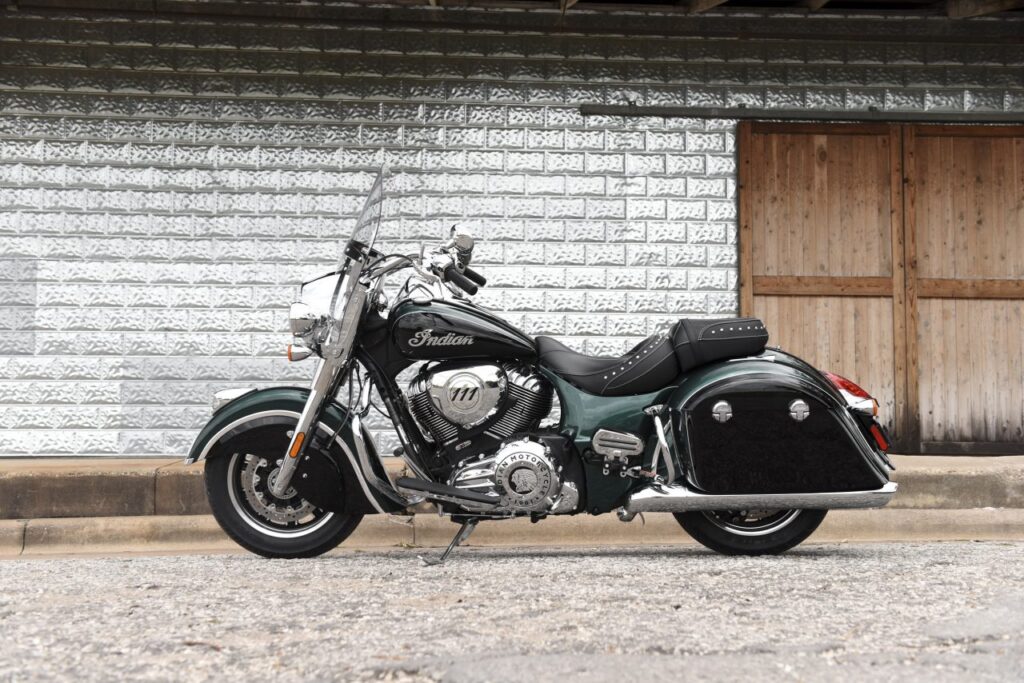
A true turning point came in 2011, when Polaris Industries acquired the brand. They invested heavily in combining heritage with modern technology. In 2013, the new Thunder Stroke engine was launched – an air-cooled V-twin with classic styling but modern performance and reliability. The look remained faithful to tradition, while the technology was completely contemporary.
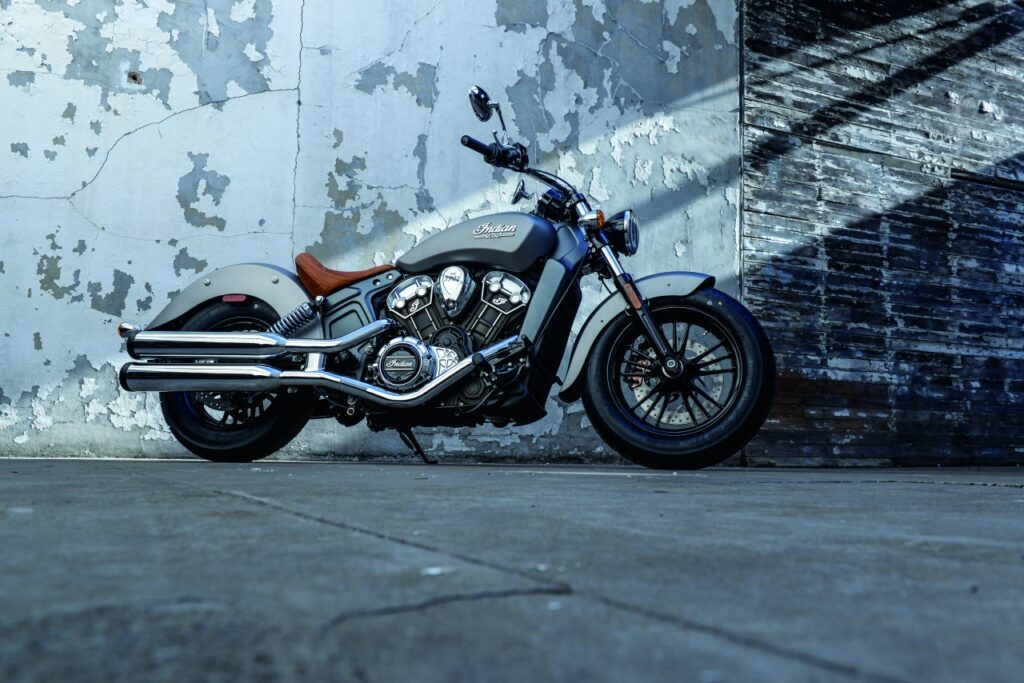
At the same time, the modern Indian Scout was introduced:
a more compact, liquid-cooled cruiser which quickly became Indian’s most important global model:
- The highest in terms of sales volume
- Around 10,000 units sold per year globally
- A key entry model for new customers
A global community – with an unexpected centre
Today, Indian Motorcycle is not only a brand but also a global community through the Indian Motorcycle Riders Group (IMRG). Their largest annual gathering is the Indian Riders Fest in the Czech Republic, attracting several thousand participants – larger than many American events.
That the Czech Republic has become the centre of this community is no coincidence. Even before the Second World War, there was a strong connection between Indian Motorcycle and the region through early imports and brand presence. That culture lives on to this day.
A new ownership phase
Indian Motorcycle is currently entering a new phase of ownership. After more than ten years under Polaris Industries, the majority of the company has been acquired by an American investment group. Polaris has chosen to retain a minority stake of around 10 per cent and remains involved as a more low-profile strategic partner.
For Indian Motorcycle, this represents a shift from being part of a large industrial group to becoming a more independent company with new owners and new priorities. How this will affect the brand’s future direction remains to be seen, but according to company communication, the focus is on continued global development, broadening the customer base, and at the same time preserving the connection to the brand’s history and identity.
A story that begins in Sweden
Despite all its turns through American industrial history, global markets and modern corporations, the story of Indian Motorcycle begins with a Swedish watchmaker, a velodrome track and a pace bike that worked when no other one did.
Oscar Hedström did not just build an engine.
He built an idea that still lives on – more than 120 years later.
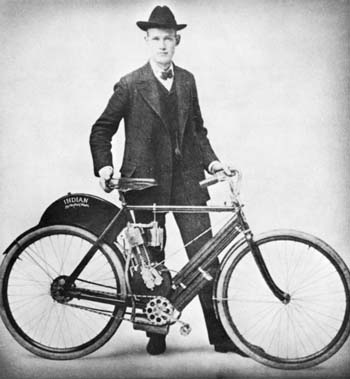
The Swede Behind Indian
Oscar Hedström
One of the founders of Indian Motorcycle
- Co-founder of Indian Motorcycle (1901)
- Born in Sweden
- Emigrated to the USA at the age of nine with his parents
- Maintained a strong connection to Sweden and his family throughout his life
- Trained as a watchmaker
- Pioneer in carburettor technology
- One of the most important engineers in motorcycle history
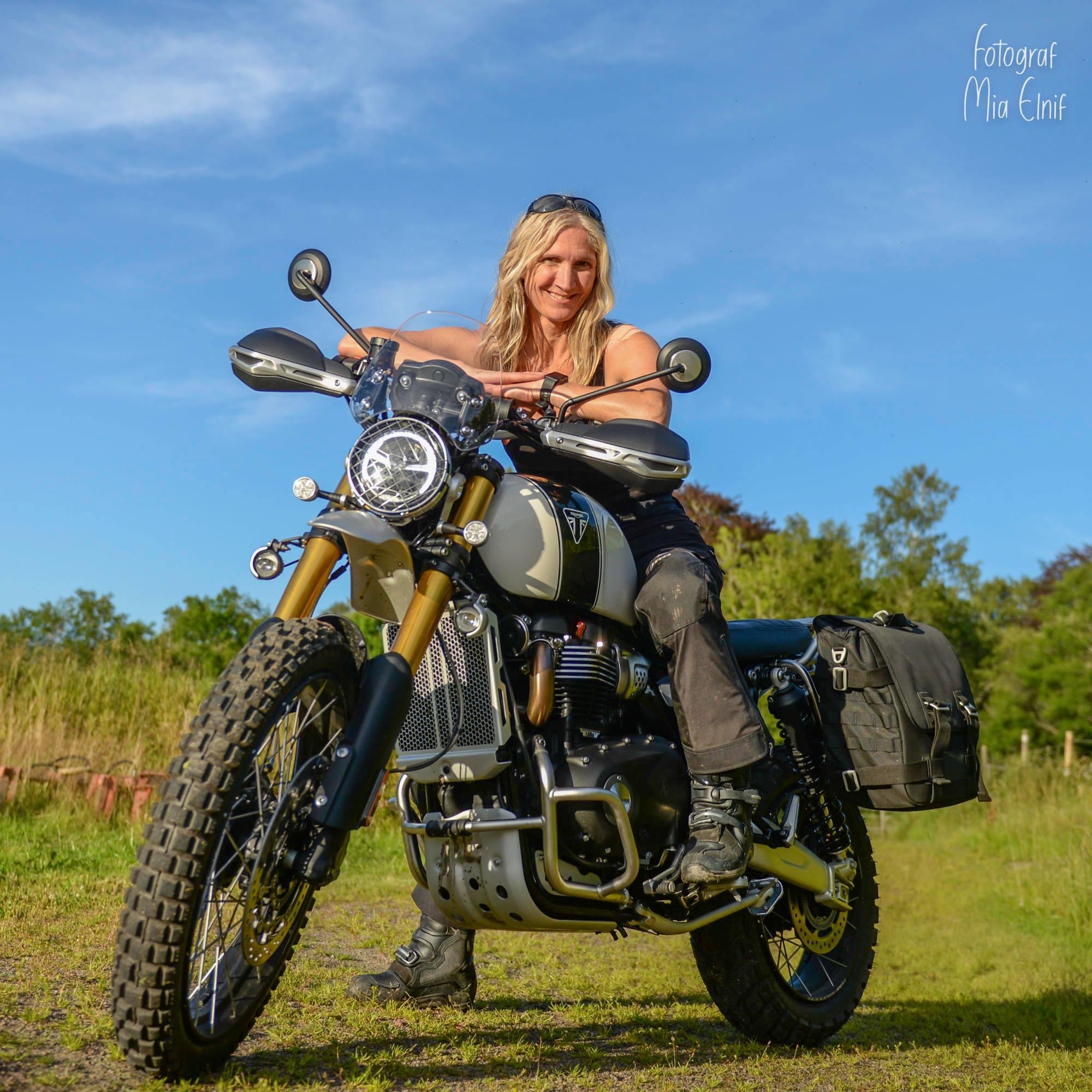
Anna Haglund