

One crash, a thousand emotions – and the courage to get back up
As usual, the nerves and tension disappeared after the very first corner. Good, now we were off. It felt brilliant. I was chasing my brother and grinning inside my helmet. What a privilege to be able to share this with him. I focused on corner entry and exit, turning points, apexes, where I was looking, my riding position and not forgetting to breathe. Relax. Ride. Accelerate. Feel the joy.
A second of uncertainty – and the crash happens
Then it suddenly seemed as if everyone else on the track had disappeared. No one in front of me. Was anyone behind me? No, I did not think so. Had I missed a red flag, or had I missed the chequered flag? I glanced down at the clock. No, the session was not quite over yet. With hindsight, I wonder why I even allowed myself to start thinking about it. Why did I let my focus slip? I knew that the only thing I could do in that situation, and in ANY situation on a track, was complete the lap and then go into the pits.
In the middle of all those thoughts, I realised I was carrying far too much speed into a left-hand corner and needed to turn immediately. I leaned the bike over hard at a speed beyond my ability, and a lowside was inevitable. Fuck! My first crash!
I slid along the tarmac, reached the gravel and tumbled over a few times before finally coming to a stop. But my head was still spinning and I could not really focus my eyes on anything. What had actually happened?
I have been around horses since I was a child, so I know exactly what you are supposed to do when you fall off: stay down, stay still, wait for help. The same applies when you crash a motorcycle. It is repeated at every single riders’ briefing. I still tried to get up, because I did not want my brother to see his sister lying there on the ground. Within moments, an instructor was with me and made sure I stayed still. With reluctant permission, I was eventually allowed to sit up.
As I sat there, my whole group came riding past. Well, there they were after all, I thought bitterly, cursing myself for being stupid enough to start thinking about anything other than riding. But by then it was a little late to suddenly become sensible and regret it. The crash had already happened.
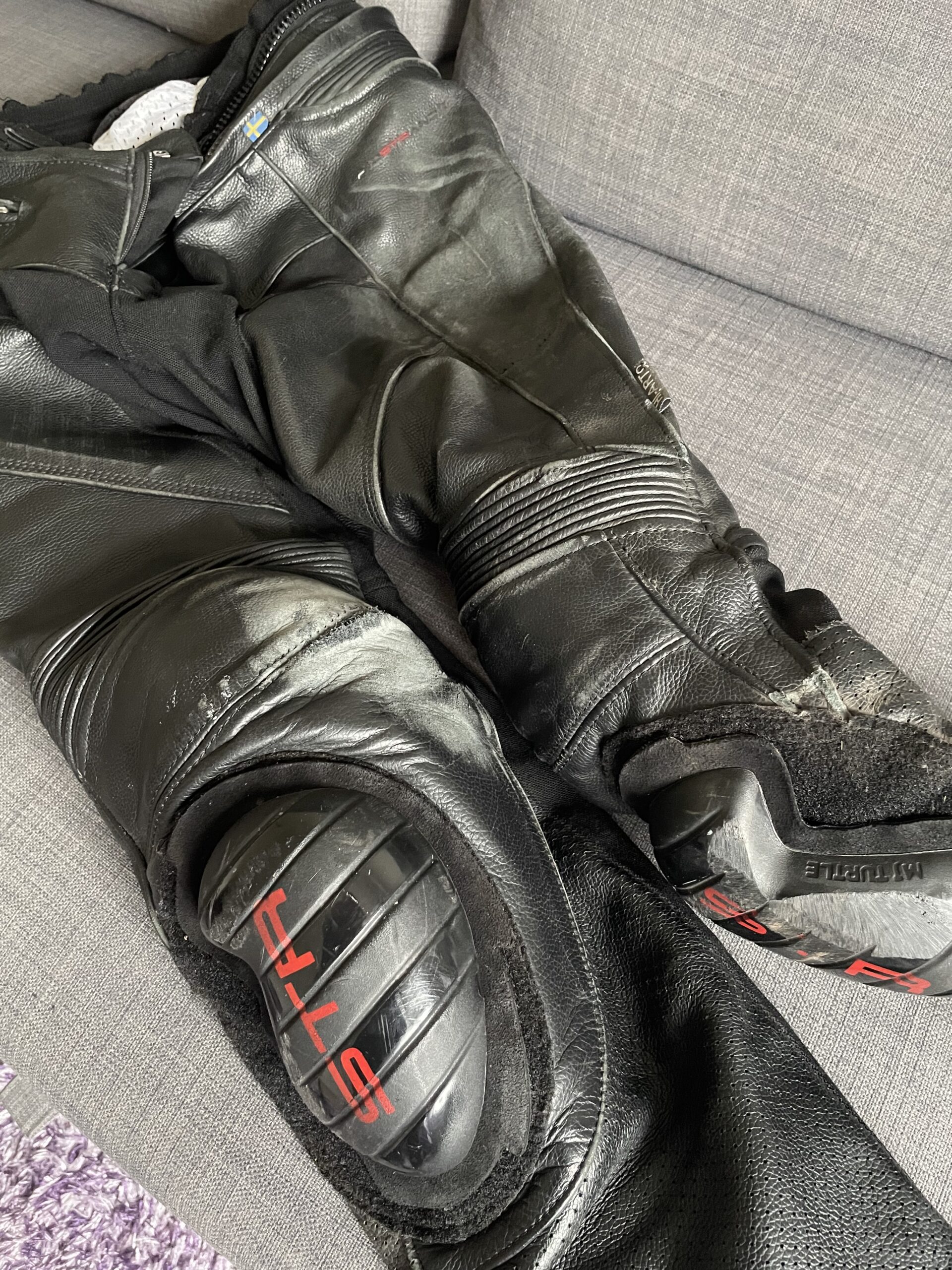
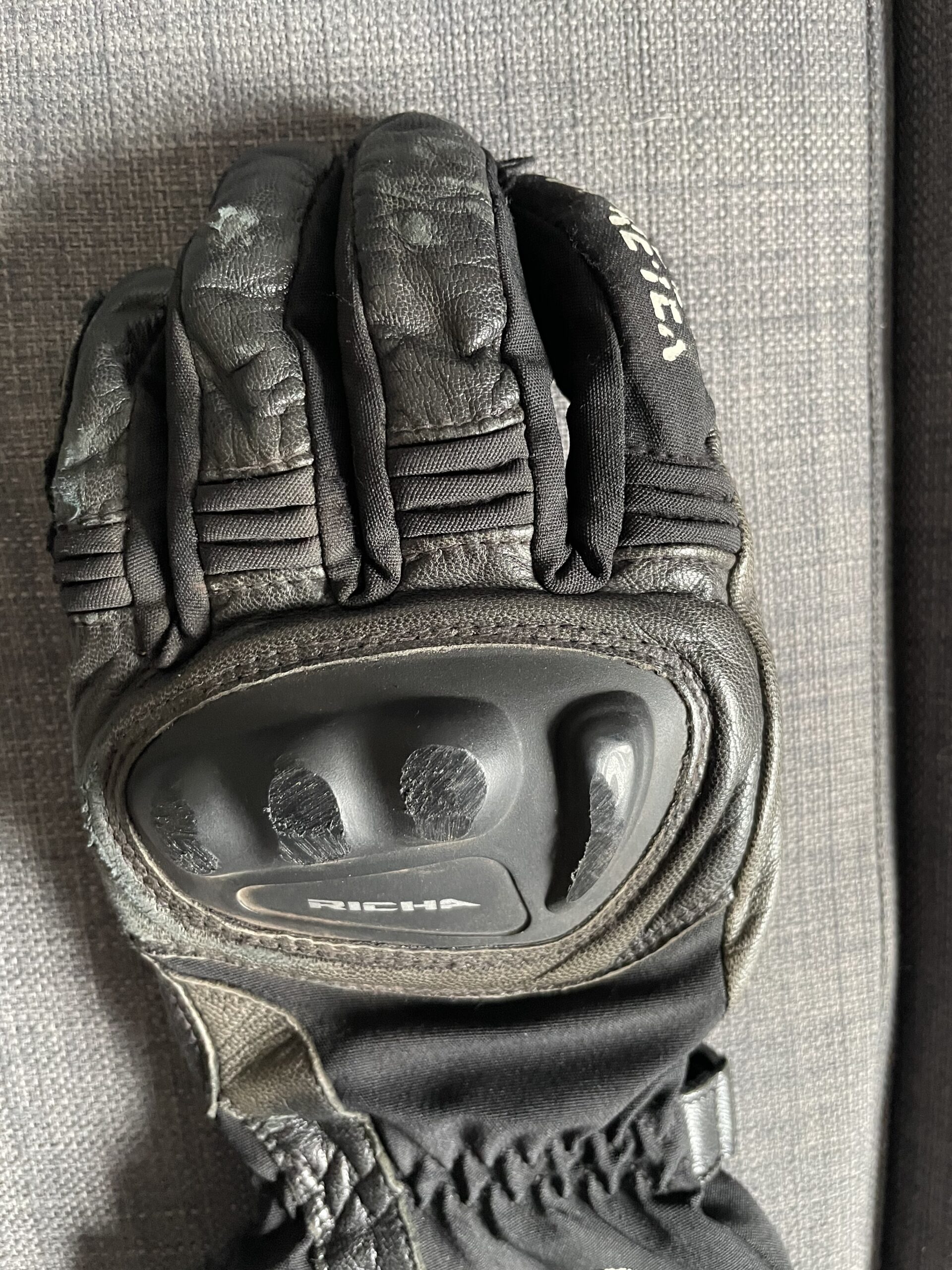
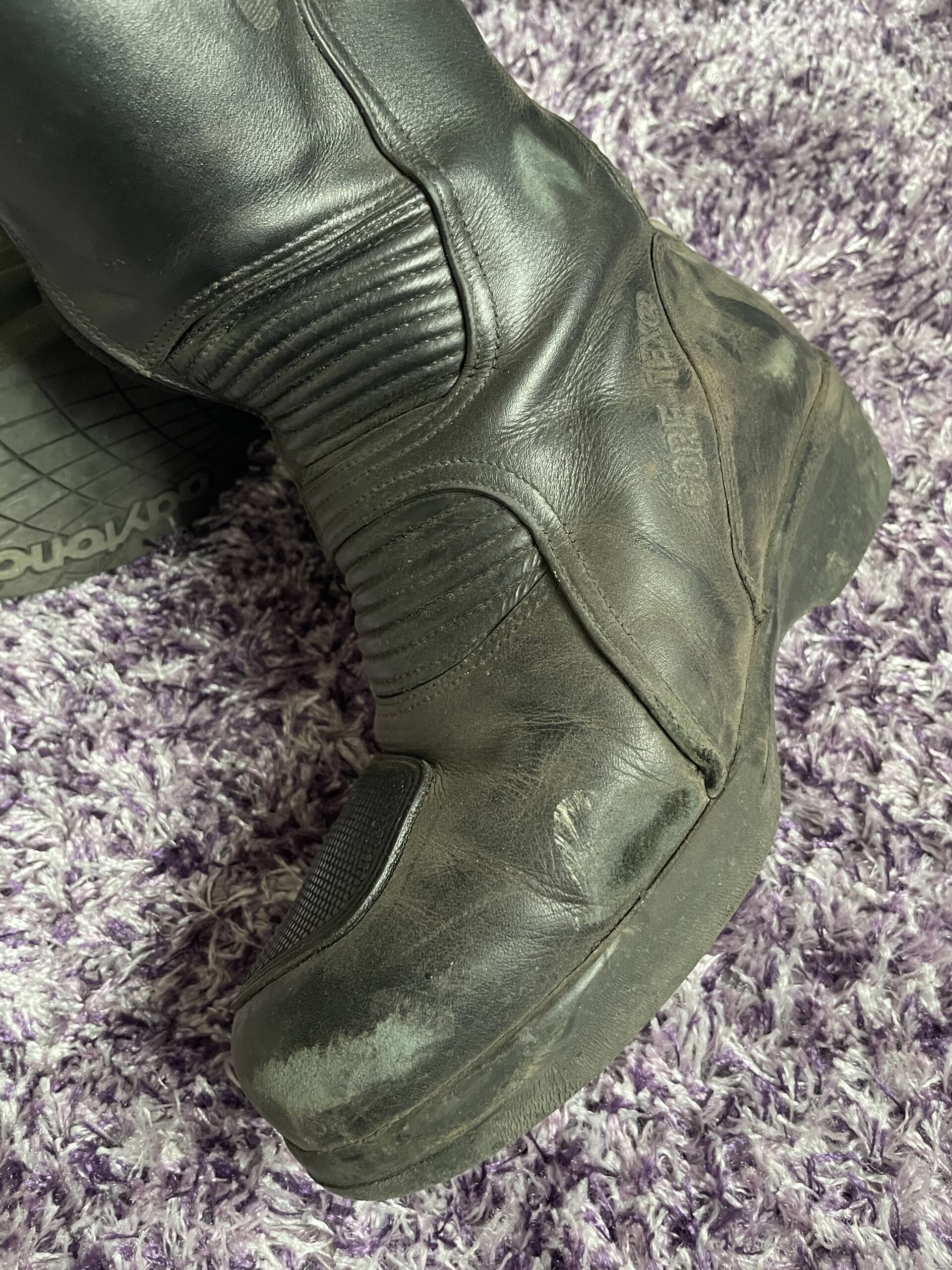
Soon the ambulance came out, as it always does when someone leaves the track, whether they are injured or not. I felt completely fine and actually quite calm. Then I turned round and happened to catch sight of my motorcycle lying some distance away in the gravel. That was when it hit me that this time it was ME who had crashed.
Damn it.
Would it still be rideable? I wanted to ride. I had the whole season ahead of me. Was the bike completely wrecked now? Was this going to be expensive? Then another thought arrived: how was I going to get home? I had ridden the bike there.
Unfortunately, I asked the most important question last: was I really okay?
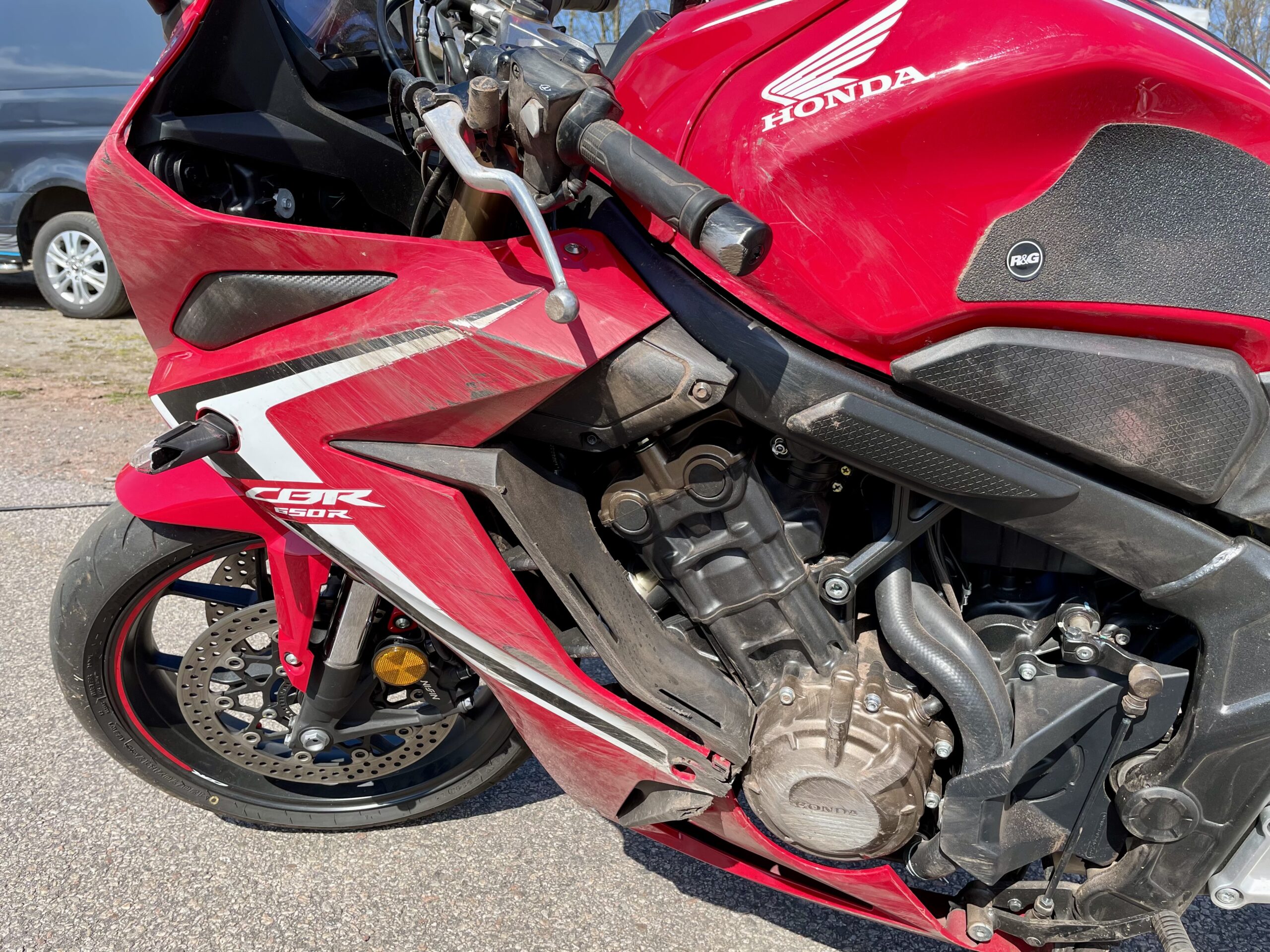
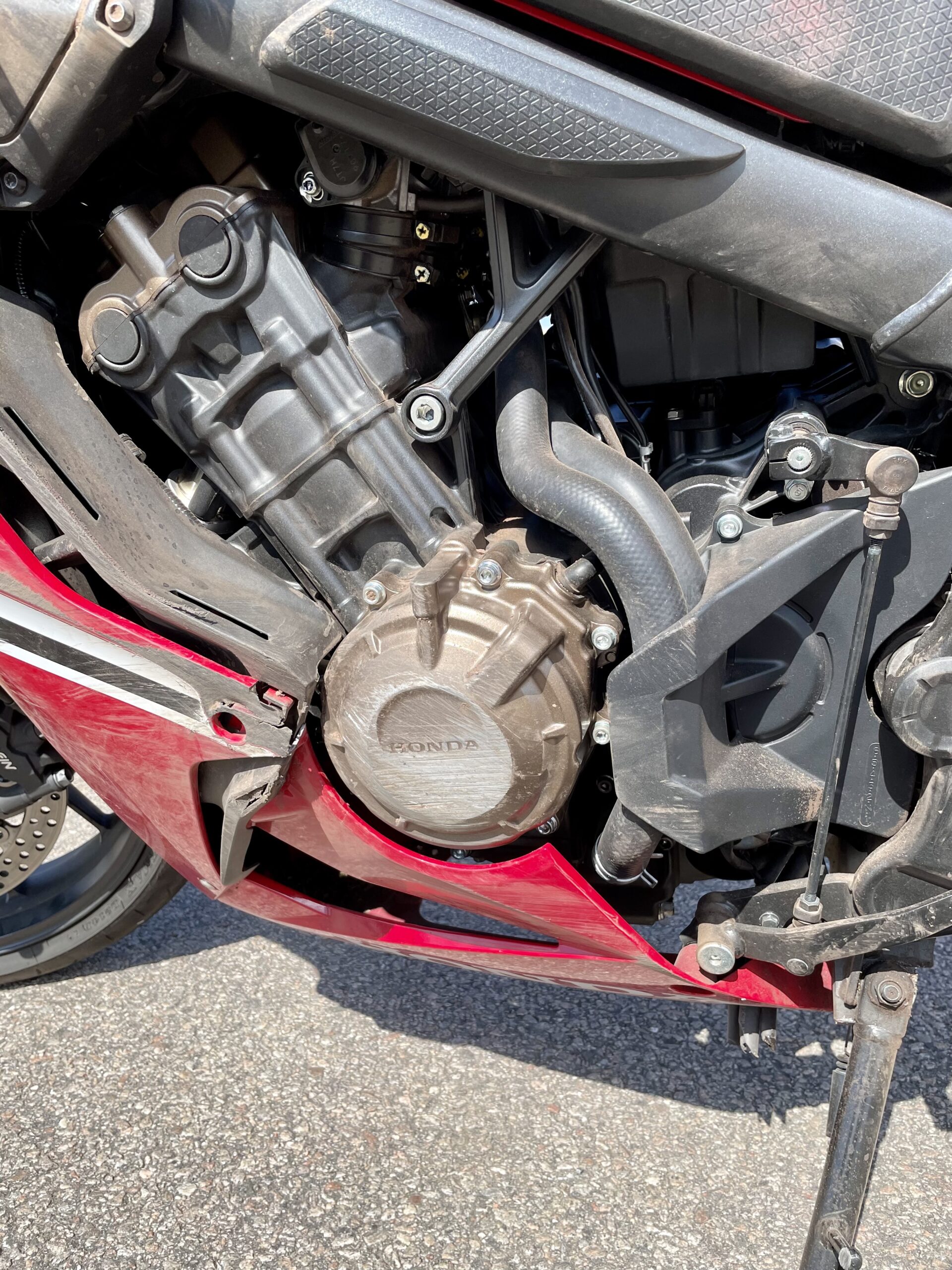
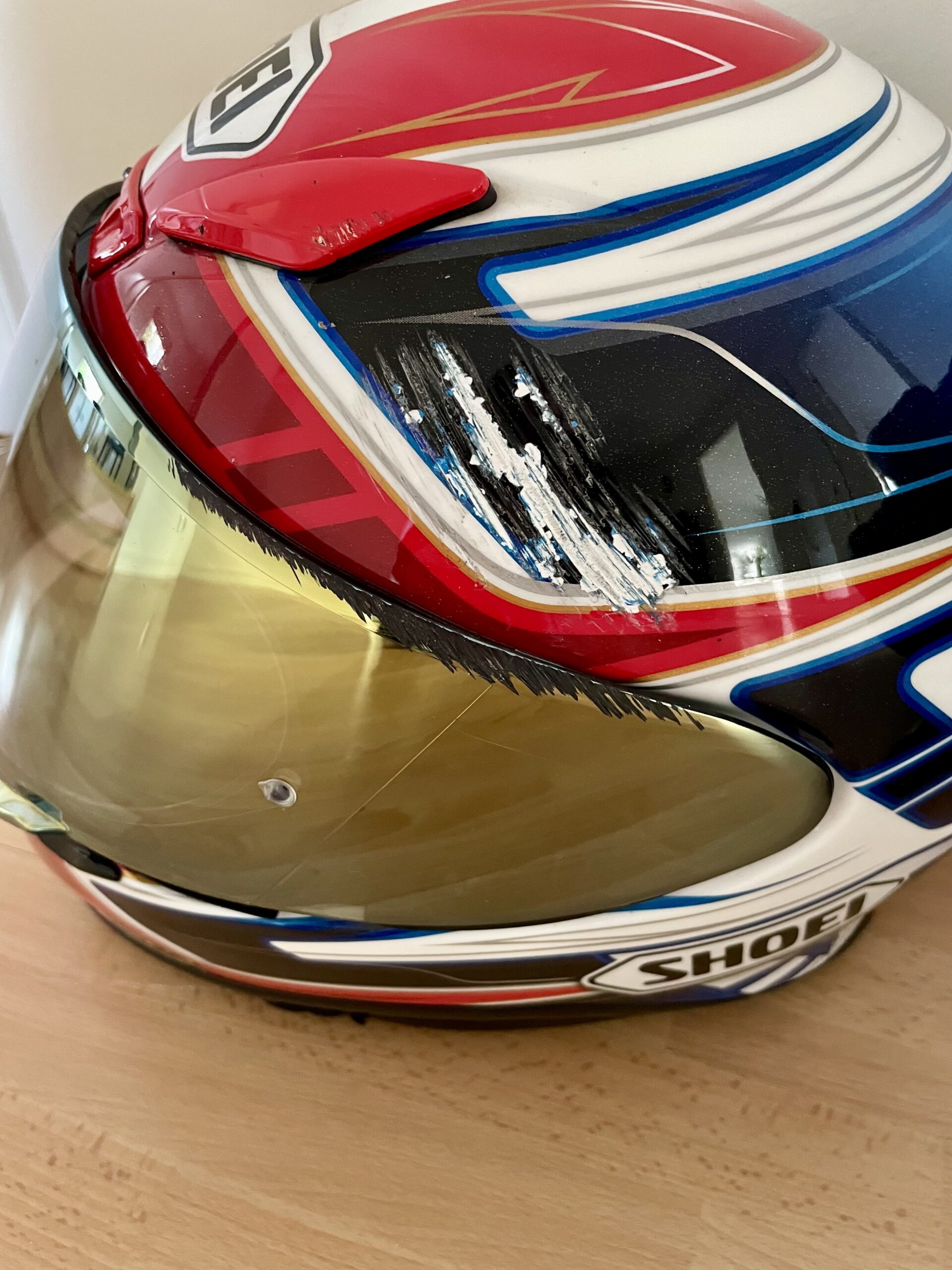
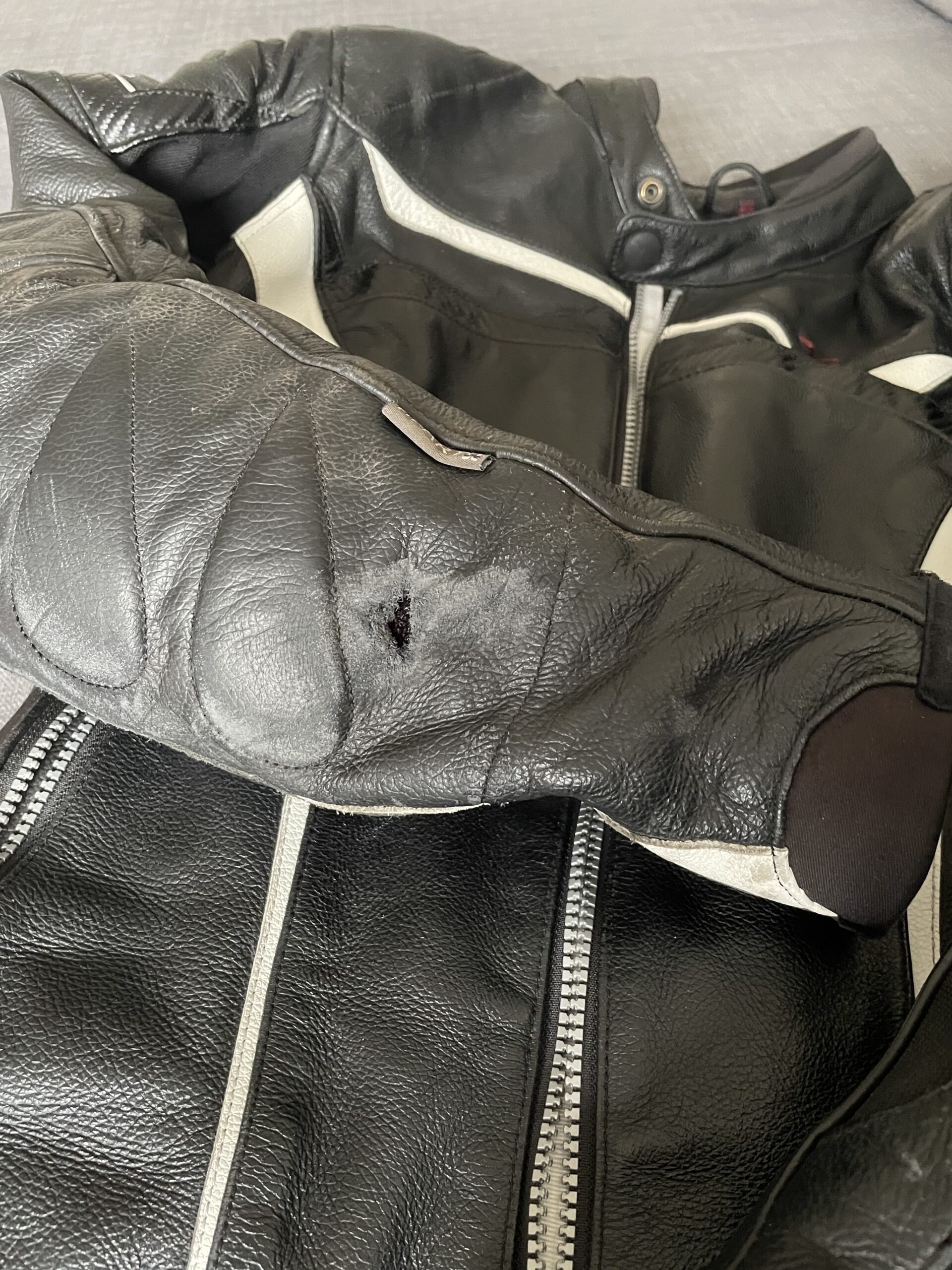
The SMC instructors took care of both me and the motorcycle. Nothing was broken, either on me or the bike. We were simply very dirty and scratched. The only real damage was a small hole in the sleeve of my jacket and a helmet that was scraped and probably cracked. The bike was brushed off, the jacket repaired with duct tape, and I borrowed a helmet from an instructor who had brought a spare.
A helmet that has been through a crash is always finished. The Honda and I were ready to continue. There was absolutely no thought of stopping. This was nothing. Just a simple lowside. These things happen. People carry on riding after far worse crashes than that.
But of course, everyone is different, and you never know in advance how you are going to react to an incident. I had fallen off horses many times and always got back in the saddle despite various injuries. With the motorcycle, however, things were going to be different.
Back in the saddle – but something has changed
I got back on the bike that afternoon. But as I sat there waiting for the green flag, I started to feel something strange creeping through me. What was this now? Why was I starting to feel sick? Why did it feel as though I was losing sensation in my legs and arms? Why was I freezing?
I did not understand it at all. I had never felt like this before. Never mind, I thought. I must not have eaten enough. I just needed to get back out on track and then I would be myself again. I rode out behind the instructor and waited for all those strange feelings to disappear.
But they did not. Quite the opposite. Everything felt unexpectedly shaky and completely wrong. I did not know how to turn and I could not find a decent line. The track felt so tight and the corners far too narrow. It felt as though I was going much too fast, even though I was probably riding extremely slowly.
The fear kept growing. On the final lap, my whole body was shaking. One of the best things about SMC courses is that I feel safe enough to always be myself there. Emotions are allowed, whether they are positive or negative. So I did not feel embarrassed when I rolled into the pits completely broken.
Someone helped me off the bike and out of my helmet, and I allowed myself to fall apart.
One important final session
I actually rode the final session that day. My only goal was to get round. And I did. It was shaky and difficult, but I did it. I probably would never have set foot on a track again, perhaps never even got back on a motorcycle, if I had not ridden that final session.
The next day, believe it or not, I was back on track again. It was a tradition for my brother and me to ride two days in a row at Kinnekulle. I had barely slept and felt as though I had been run over by a steamroller. Bruises from the armour were already beginning to appear, but I was still in one piece.
And I was determined to get through the day and ride my sessions. I WAS going back. I had not come this far to give up. Fear can be overcome. I was going to do it.
The road back – step by step
For the rest of the season, I rode in a slower group and was completely open with the other participants about what had happened and how I felt. Talking about it became a kind of therapy.
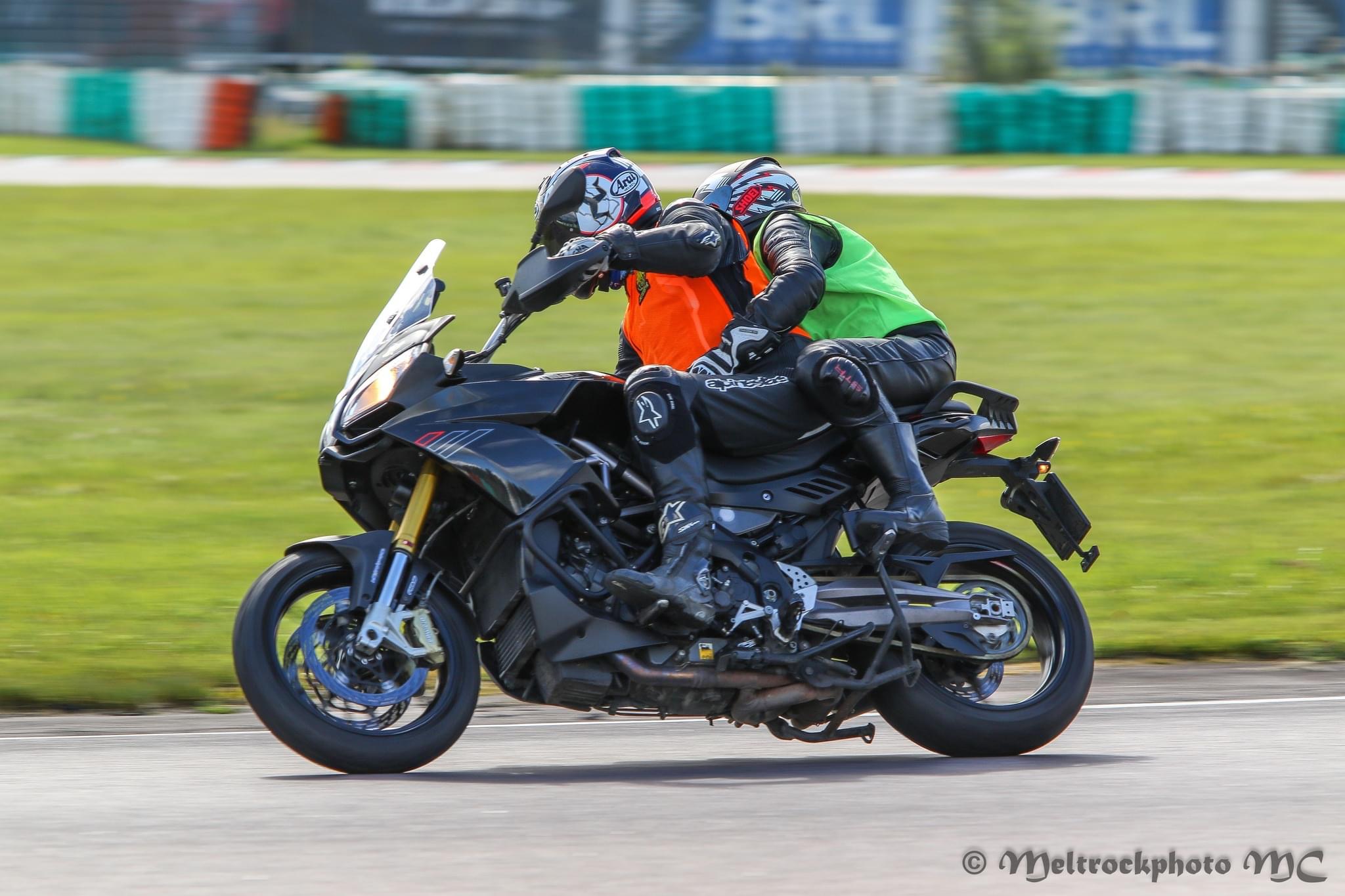
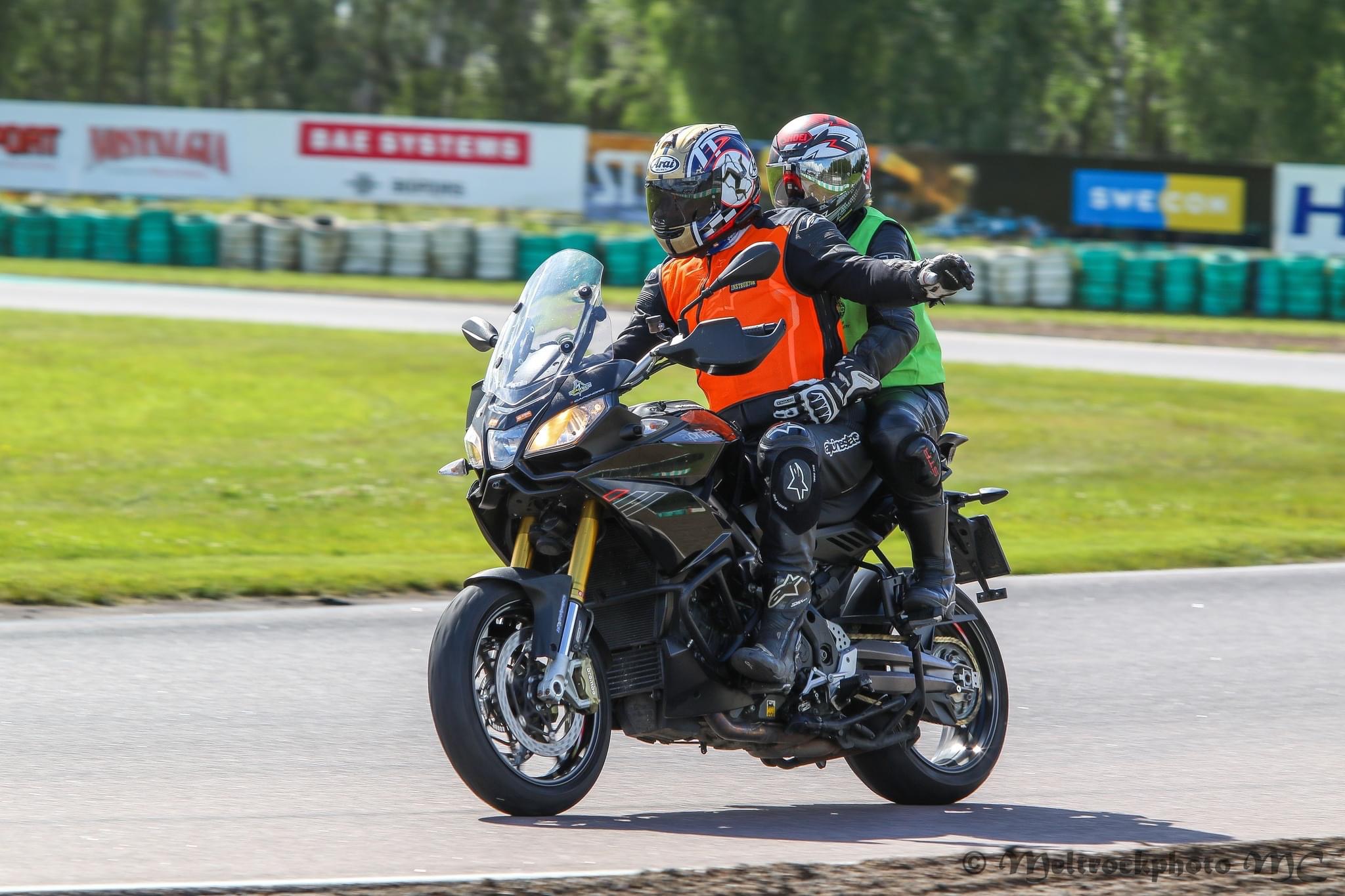
I tried everything I could to get back to where I had been. I was even allowed to ride pillion with an instructor on my own motorcycle, which was a brilliant move because I no longer trusted the bike. Of course, the motorcycle went through all the corners perfectly well, even at slightly higher speeds than I dared to ride myself.
It would take almost two seasons before the demons in my head finally began to let go and I could start riding properly again.
The motorcycle was rideable, but it was rebuilt during that first summer, and both my helmet and clothing were immediately replaced with new ones, all thanks to the insurance. The following season, I changed the tyres on the bike and suddenly cornering at higher speed no longer felt quite so frightening. There was of course nothing wrong with the old tyres, but it still felt good to fit new ones and get a different feeling from the bike.
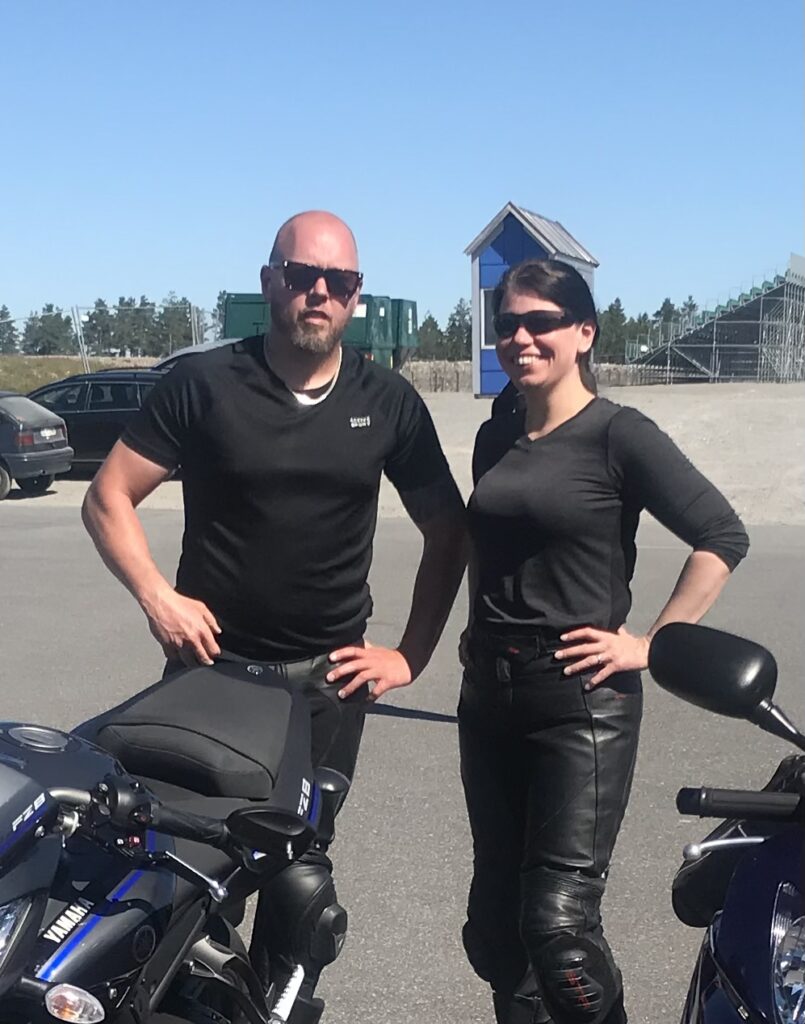
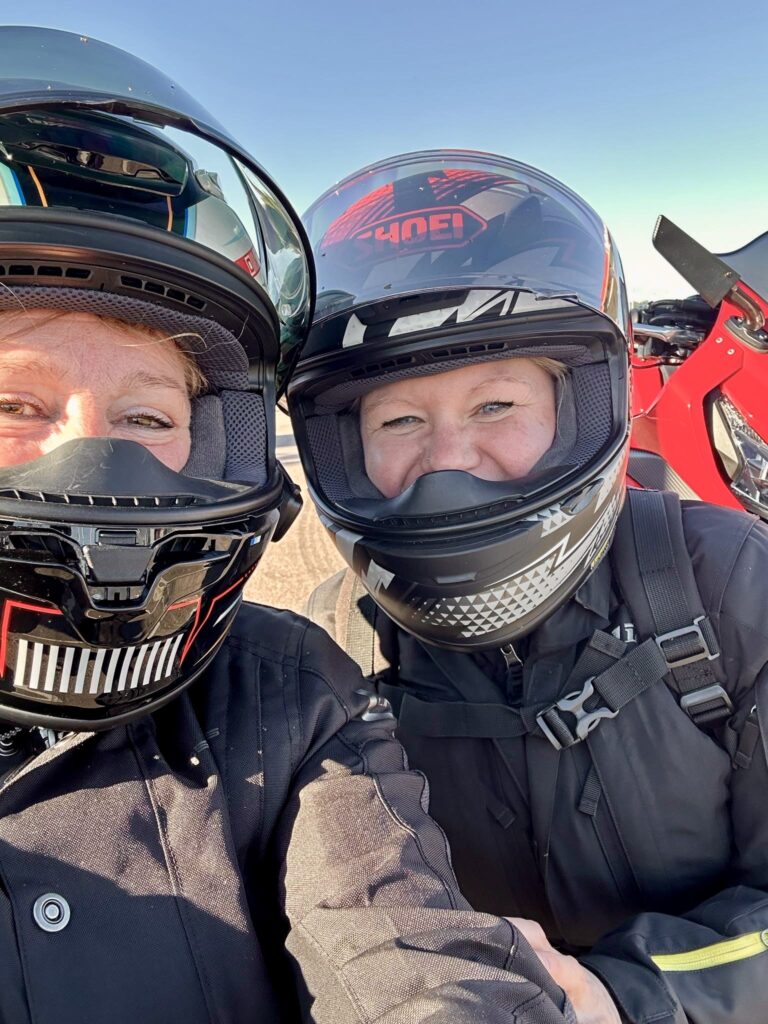
Speaking of throttle and feel, it also helped me enormously that I dared to ask if I could occasionally ride pillion with different instructors on their motorcycles. That gave me the chance to observe and feel how an experienced rider handled the bike through corners without having to take responsibility for the riding myself.
Where do you turn? When do you accelerate? How much throttle do you use? Where do you brake? How hard do you brake, and do you even need to brake? Which lines do you take?
If you dare to let go of control and trust someone else, asking to ride pillion with an instructor can be an incredibly educational experience. It absolutely does not have to be fast if you are not comfortable with that. But as you grow a little braver, you can of course ask for more speed so you can experience that feeling too.
There are also instructors who are extremely fast even with a passenger. I have dared to do it, and I honestly do not think there is anything in the world that beats the adrenaline rush and that completely mad mixture of terror and delight you get when riding with someone who is seriously quick. It is so frightening, but also genuinely brilliant.
On the road, however, rebuilding my confidence was more difficult because there are so many more variables involved: road surface, limited visibility, other traffic, gravel and cold temperatures. For me, the solution was riding with a calm, skilled friend who could gradually increase the pace without me really noticing. We still ride together a lot and take turns leading. We stop often to check how things feel and whether anything in the riding needs adjusting.
I have had to push myself to be a little braver every time we ride, but at the same time I have never felt pressured into doing anything I did not want to do. Eventually, the fear of riding through bends on the road disappeared too. And it is absolutely wonderful to be able to enjoy the roads again. Different people take different amounts of time to recover from incidents, and of course it also depends on what kind of incident you are trying to get over.
I have had to accept that that simple, harmless lowside affected me far more than I ever thought it would. It was incredibly crushing to realise that something so seemingly minor could take so much time and energy to overcome. It felt horribly embarrassing and silly. But at the same time, this was how I reacted. This was what happened to me. I could very easily have given up, moved on with my life and found other interests, and no one would have said anything about it.
But I know that I love riding motorcycles, and for me it mattered to keep that part of my life and not let myself down. So I did not choose the easy way out. I gritted my teeth and kept going.
Yes, it took time. Longer than I wanted. And it was bloody hard.
But I made it back.
You just cannot give up.
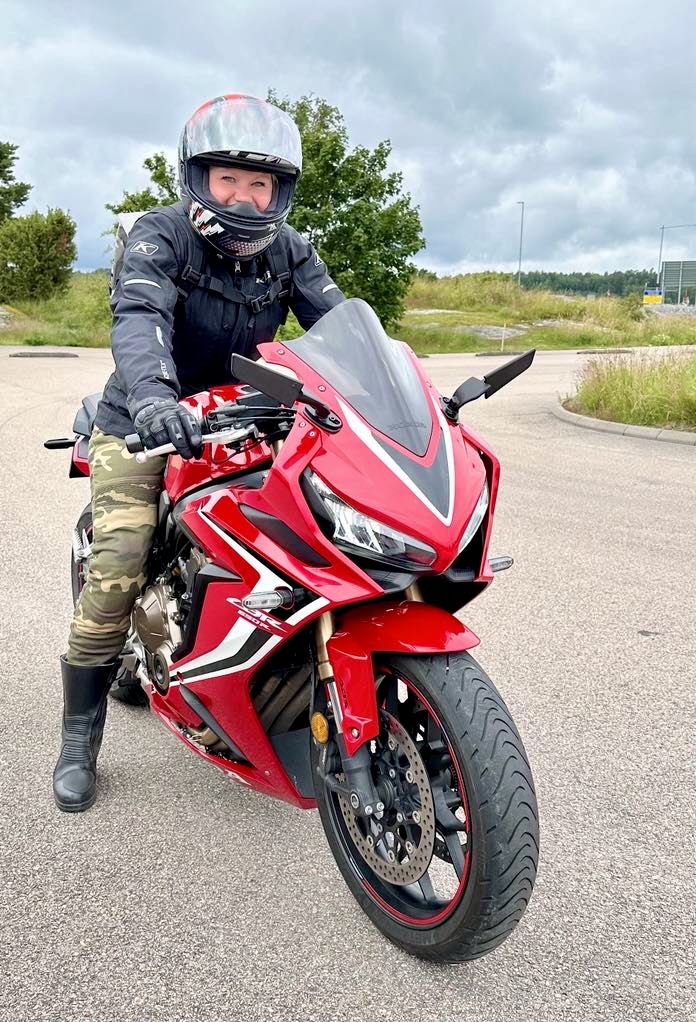
Anna Johnsson