

MotoStudent – from the drawing board to the racetrack
MotoStudent by the numbers
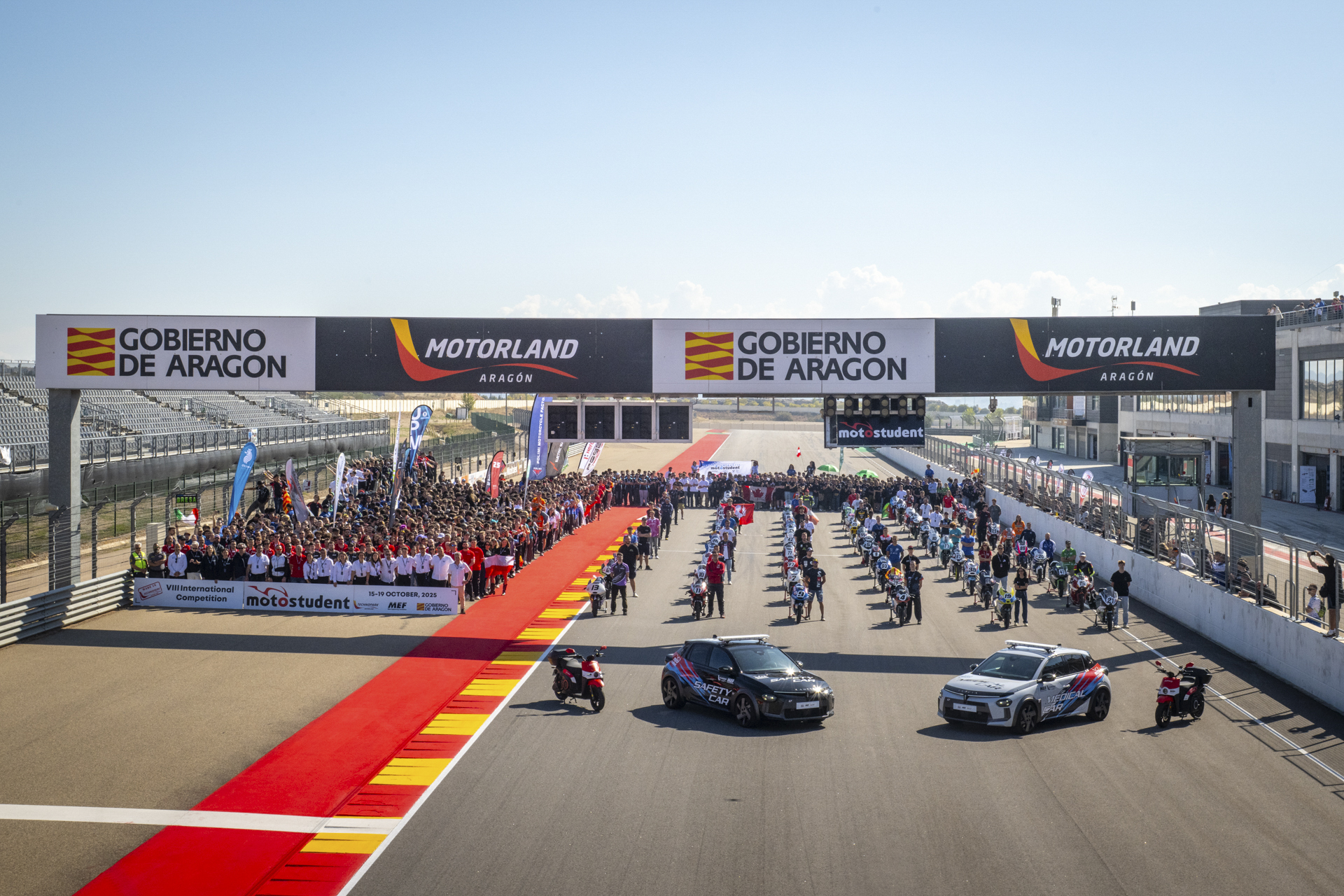
- More than 80 university teams from over 20 countries took part in the latest edition
- Just over 1,000 students were involved
- Student-built motorcycles lap only a few seconds behind professional classes such as Moto3
- Since the competition began in 2009, a total of 450 teams from 25 countries and around 20,000 students have taken part
A bridge between universities and industry
MotoStudent is organised by the Moto Engineering Foundation (MEF), a non-profit foundation established in Aragón in January 2008. Its purpose was to promote technical development, innovation and education within two- and four-wheeled vehicles.
The foundation was created through cooperation between the Government of Aragón, industrial companies, educational institutions and motorsport organisations, including Dorna, which runs MotoGP. MotoStudent became the foundation’s first educational initiative, launching in 2009.
MEF’s partners represent several parts of the motorcycle world: MotorLand Aragón, the University of Zaragoza, the Spanish and Aragonese motorcycle federations RFME and FARAM, industry association ANESDOR, CEZ, CGCOII and Dorna. The competition has also been officially presented during a MotoGP race weekend, with one of the students’ motorcycles displayed in the paddock, a clear indication of just how closely connected the project is to professional motorsport.
More than just building a fast motorcycle
Building a racing motorcycle is only half the story. A team, usually consisting of at least eight students from different engineering disciplines, develops an entire project over 18 months. They need to solve questions around chassis design, electronics, aerodynamics and suspension geometry. But project management, finance, sponsorship and manufacturing are just as important.
The organisers provide teams with a basic kit of standardised components, but everything around those components must be designed and built by the teams themselves.
The motorcycles share identical dimensions regardless of category, while the weight differs between the electric and combustion-engine versions.
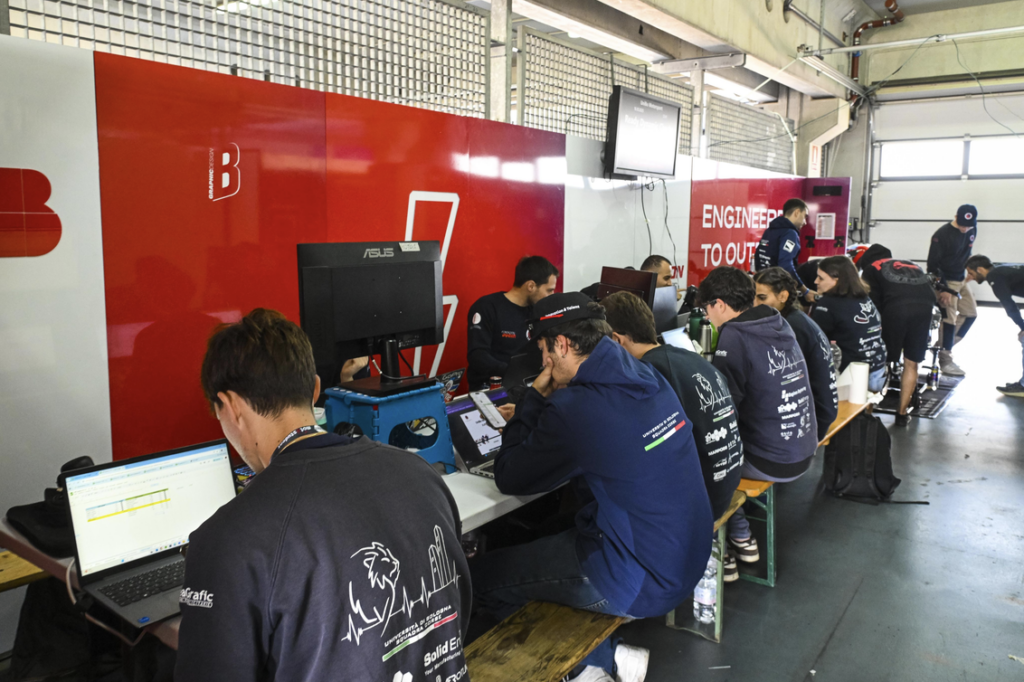
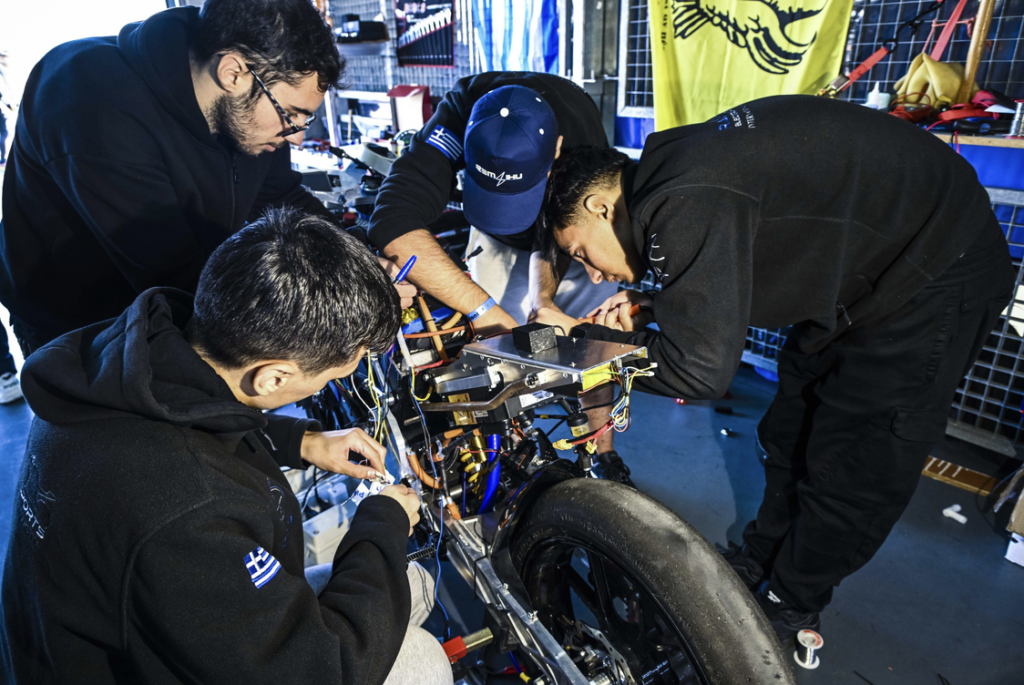
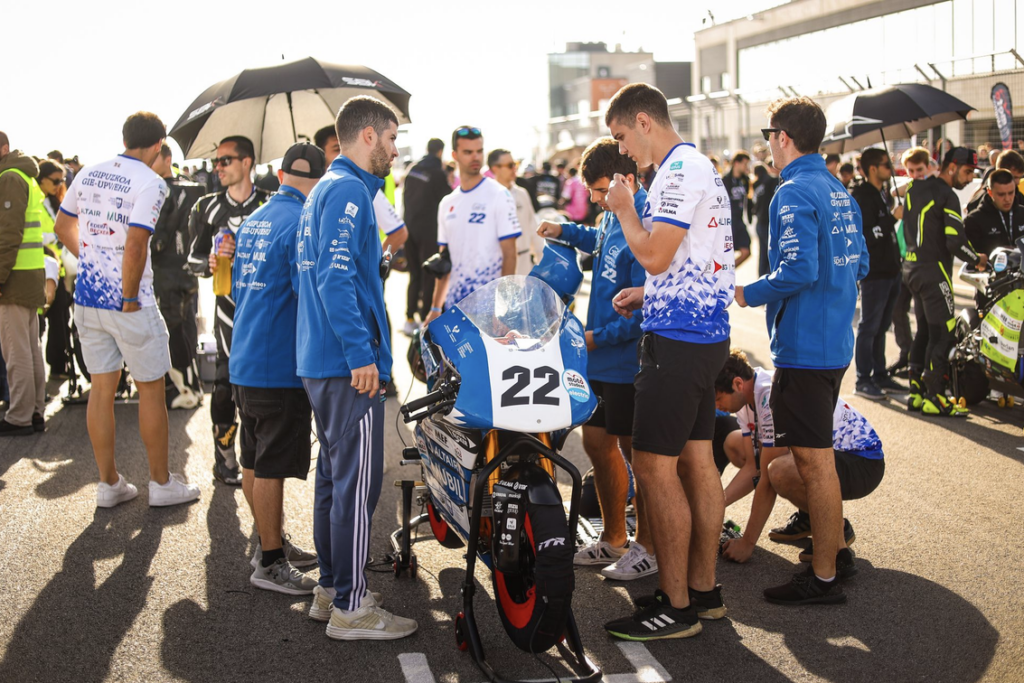
Students face many of the same questions encountered in professional product development: how stiff should the chassis be, where should components be positioned, what happens when a solution that worked in simulation fails in the real world, and how do you solve the problem when time is running out?
That is difficult to recreate in a classroom.
“What we do with MotoStudent is to accelerate your way of thinking to know exactly how the world works,” says Daniel Urquizu, MotoStudent Managing Director, who has been involved in running the competition since its beginnings in 2008.
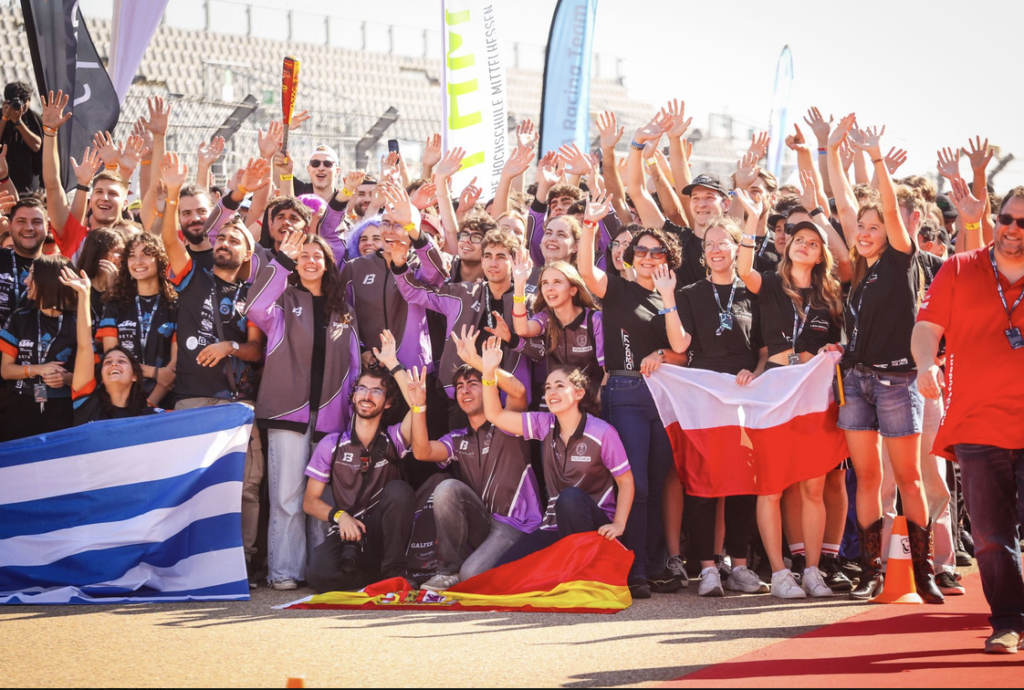
The international mix of participants also reflects that ambition. The latest edition featured teams from a wide geographical spread, with nine new teams making their debut. The organisers are already expecting additional countries to join the next edition.
Sweden has also appeared on the entry list. UPPström Racing from Uppsala University competed a few years ago, based at Polacksbacken and the Ångström Laboratory.
From engineering project to race
The competition is divided into two phases.
In the first, MS1, teams present and defend their technical solutions before a jury of industry experts, rather like a real-world product approval process. Design choices must be justified in terms of function, innovation and practical manufacturability.
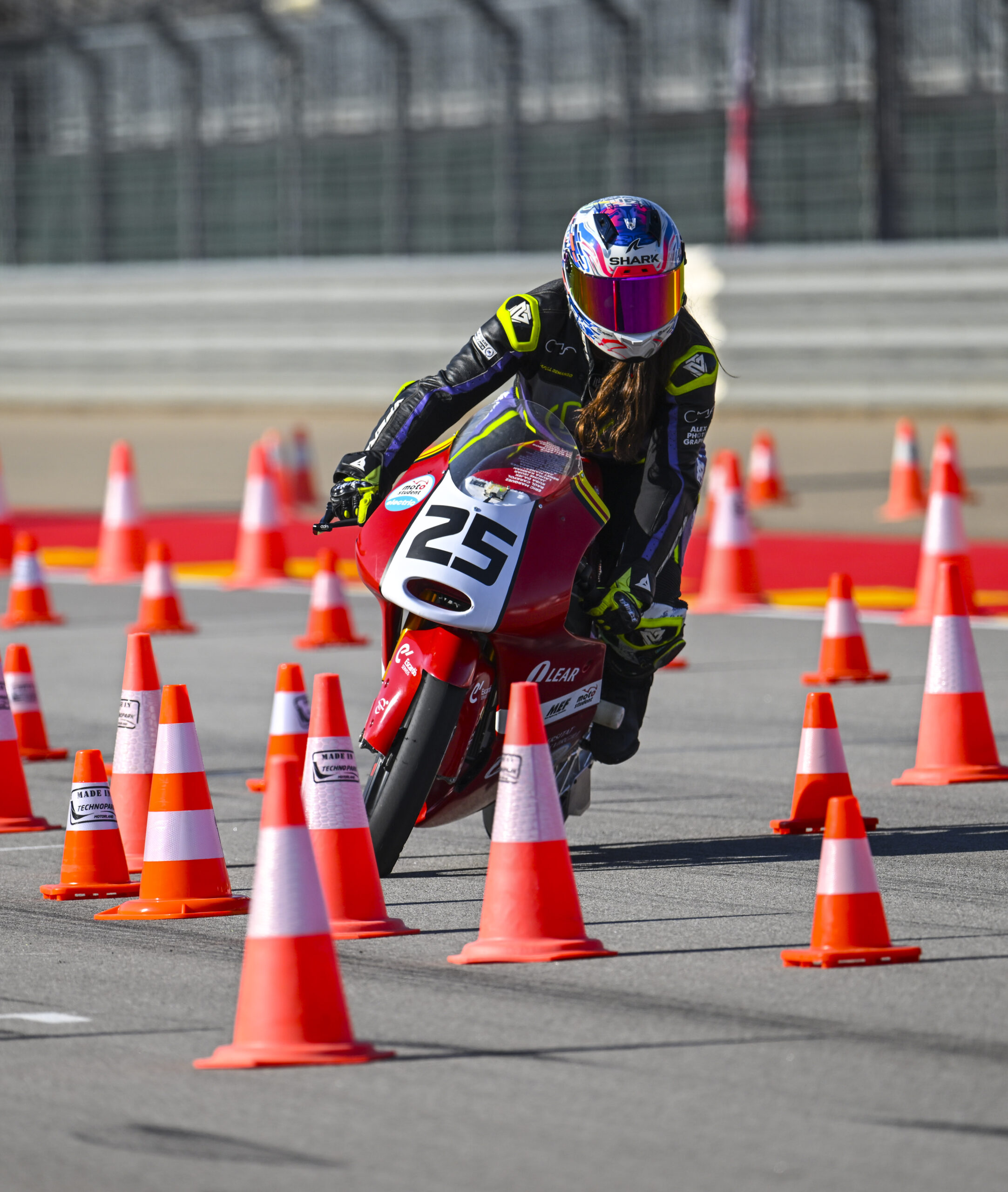
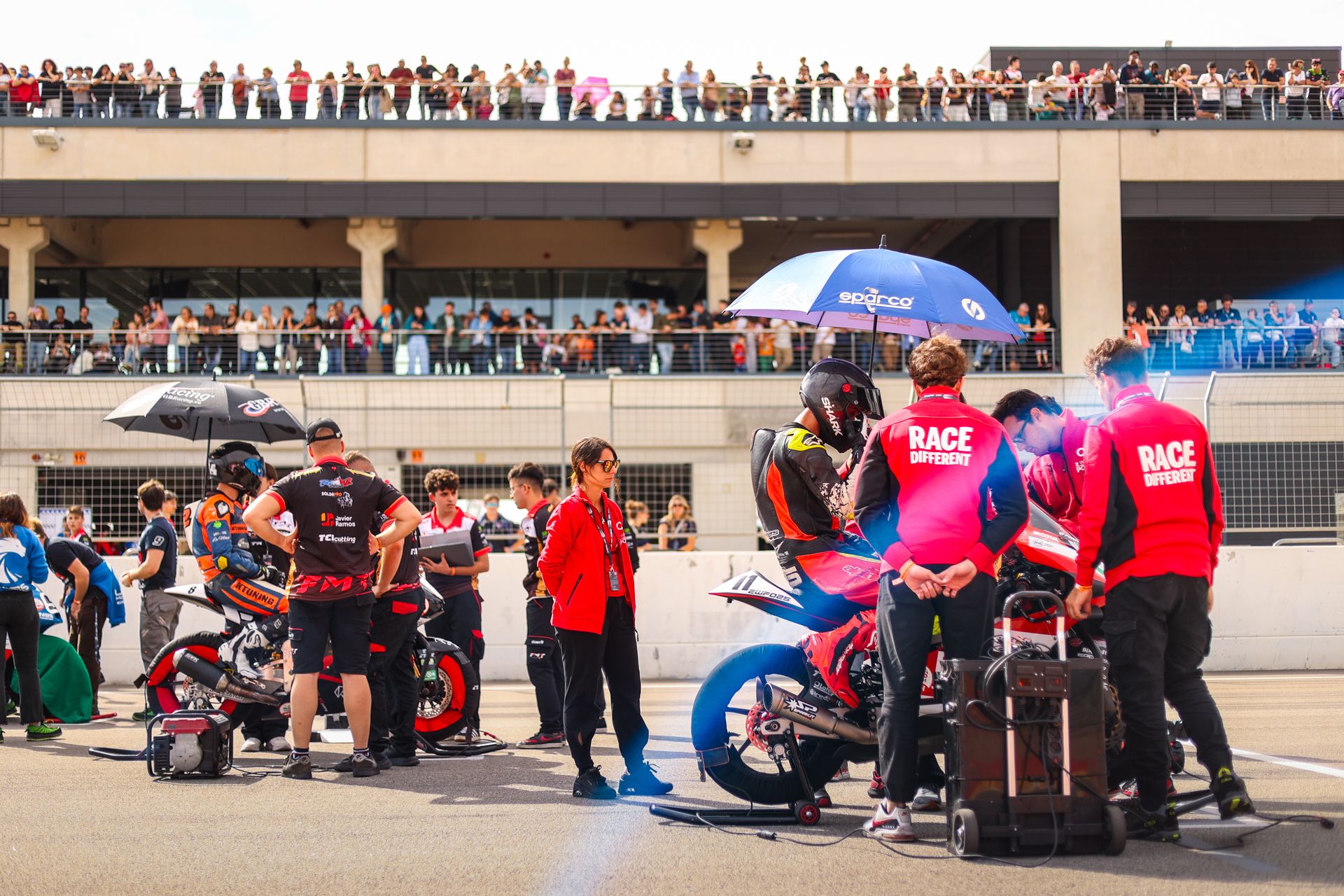
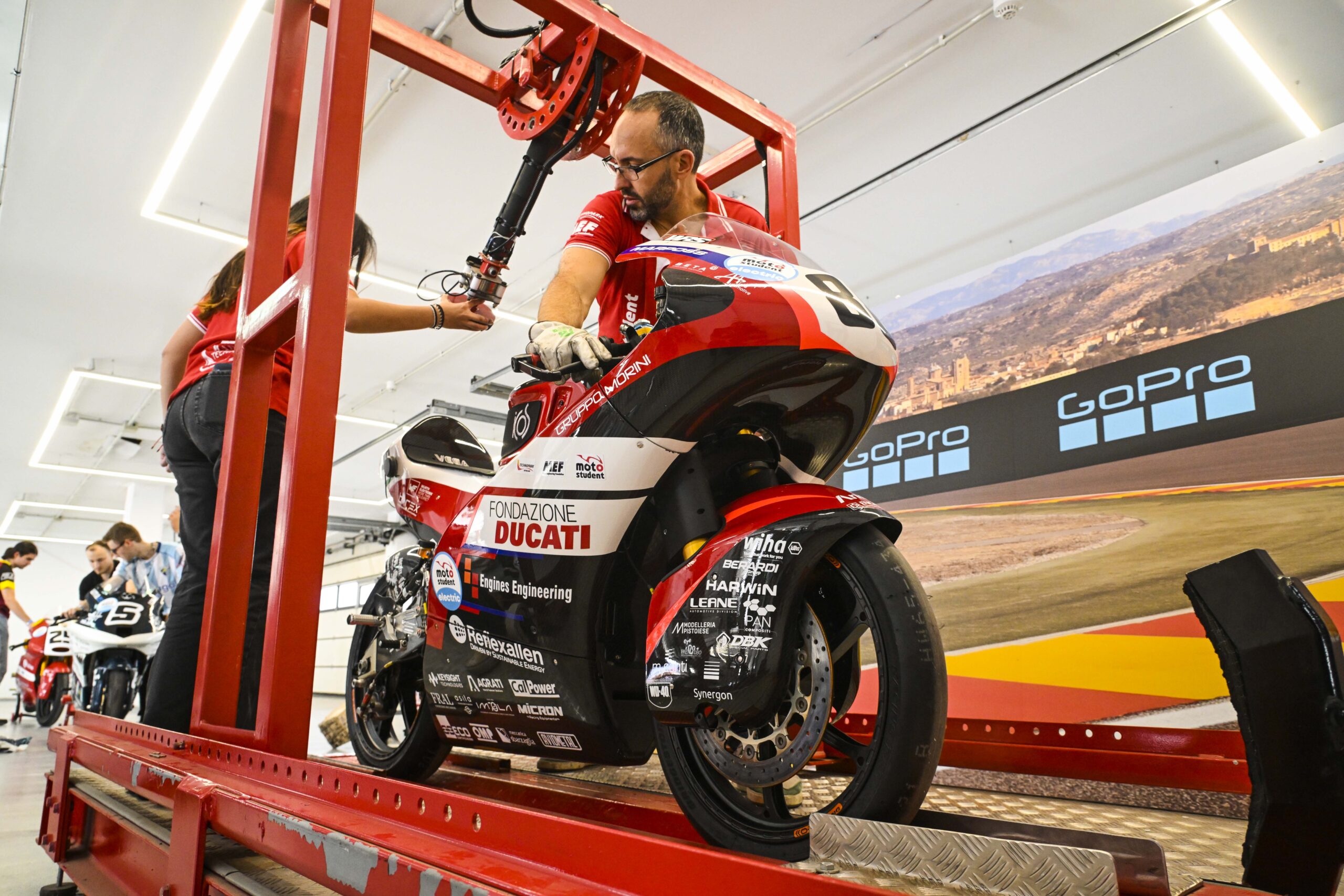
Once the project has passed that scrutiny, the motorcycle moves on to MS2. Here it faces a full series of tests: gymkhana, braking, acceleration, top-speed verification, qualifying times and an endurance race. A maximum of 25 motorcycles are allowed to start each race, with professional officials and technical scrutineering carried out to standards close to those used in MotoGP.
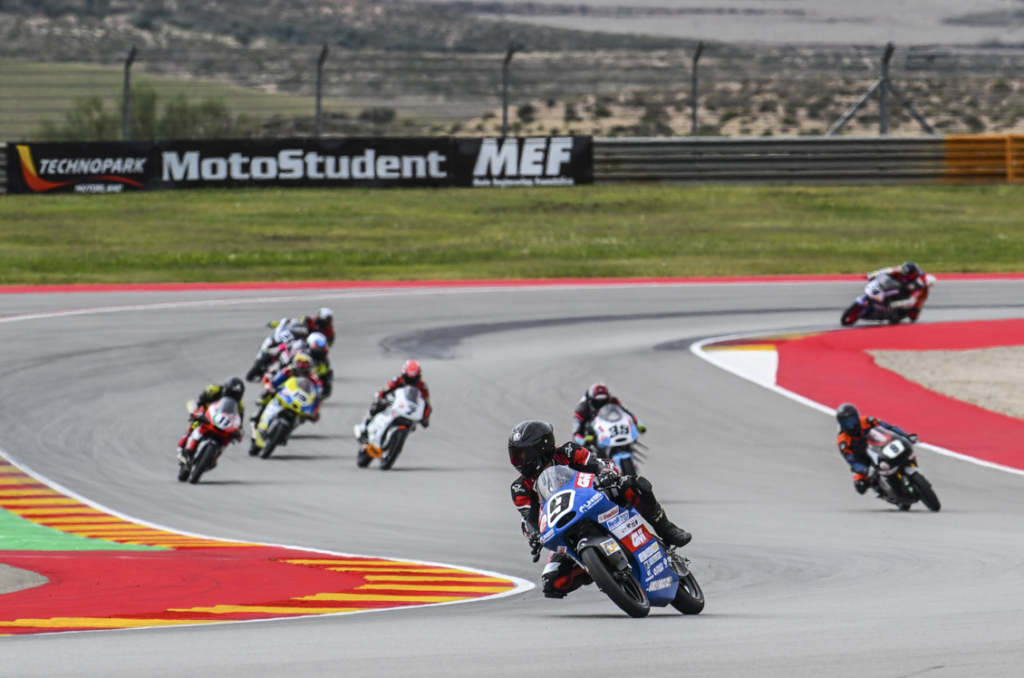
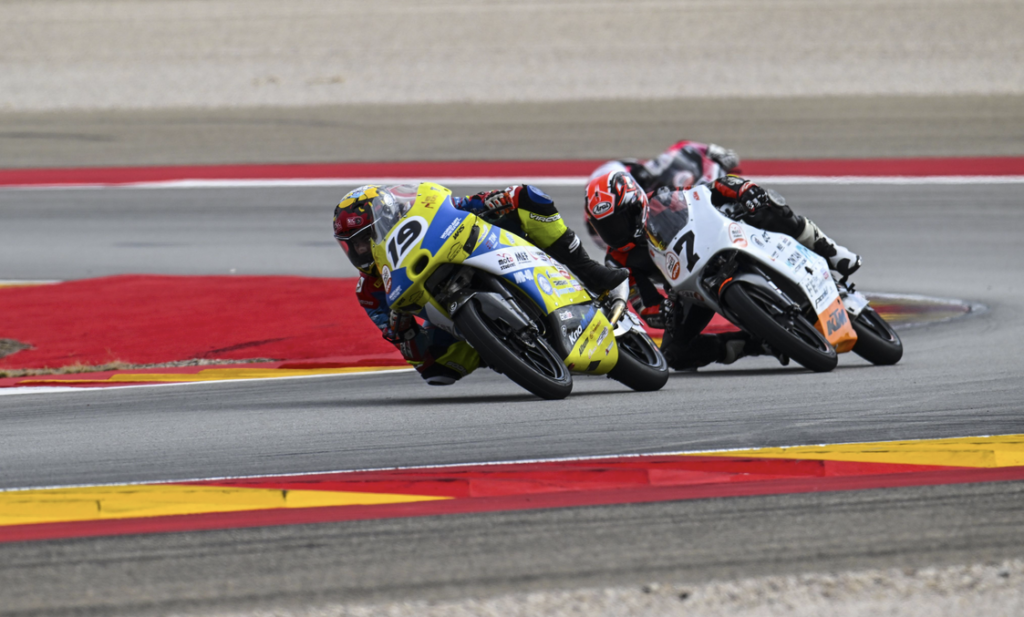
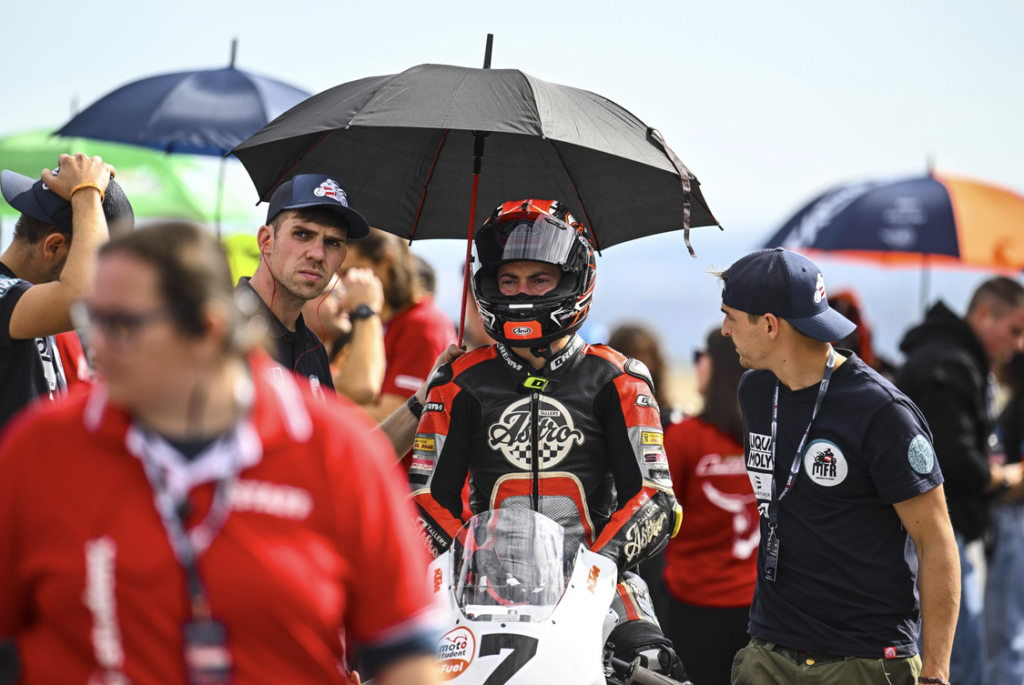
Only then does the motorcycle finally meet the circuit at MotorLand Aragón, where months of work suddenly become very tangible.
A miscalculation becomes obvious under braking; one overlooked detail can decide whether the motorcycle even makes it to the start line.
The level is high. In the latest edition, pole position in the eFuel class was only a few seconds slower than the Red Bull Rookies Cup pole time on the same circuit. That says a great deal about what a university team can achieve in 18 months.
Rider and machine
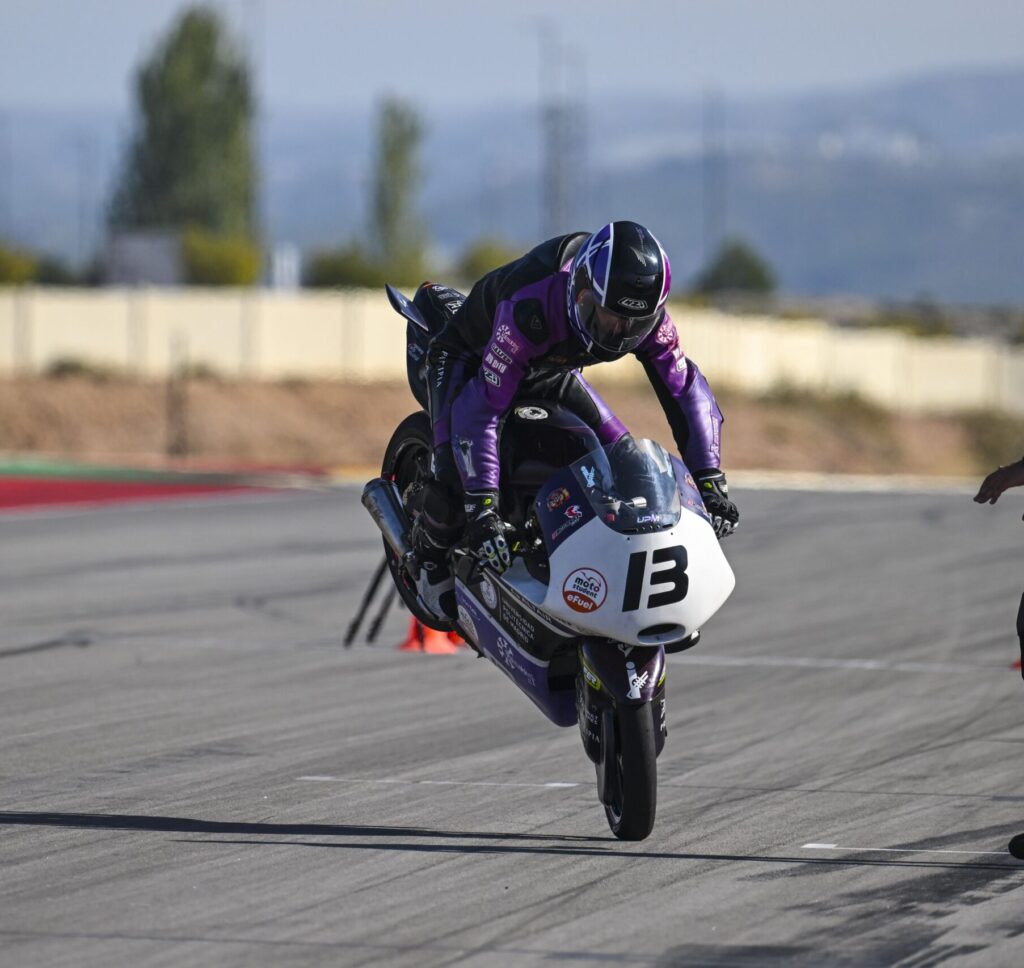
The rider represents a large and constantly moving part of the motorcycle’s total mass. Riding position, weight transfer and feedback therefore become part of the development process.
When the rider comes back and says the motorcycle feels unstable under hard braking, there is rarely an obvious answer. Is it the geometry? The suspension? The weight distribution?
That is where MotoStudent starts to resemble real motorcycle development in earnest.
Technology in transition
Electrification has become an important part of the competition alongside combustion engines. Since MotoE and TT Zero ended their electric programmes, MotoStudent is now the world’s only university competition with a dedicated electric motorcycle category.
The combustion-engine class has also evolved, from the original 125cc machines, comparable with Moto3, to today’s 250cc engines. These now run on synthetic eFuel rather than conventional petrol. Together, this makes MotoStudent the world’s first fully sustainable university competition across all its categories.
With an electric motorcycle, the battery pack, cooling and energy management become central engineering challenges. In a combustion-engine motorcycle, the challenges are partly different. What both have in common is that teams must make many separate systems work together as one functioning whole, and perhaps that is where the greatest lesson lies.
A more recent addition to the development process is AI, which is encouraged as a tool for speeding up design work, for example when optimising a chassis.
“With AI, you don’t ask for the solution, you ask to accelerate the solution,” Daniel explains.
But students cannot simply rely on the algorithm. They must be able to explain where and why AI has been used, and demonstrate that they themselves understand what the tool has actually done.
From educational project to global competition
SSince its launch in 2009, MotoStudent has grown far beyond Aragón, from 20 participating teams to more than 80 today.
Each new generation of students has also brought new technology with it: simulation, additive manufacturing, advanced electronics and new materials have given the projects access to tools that were once far beyond the university world.
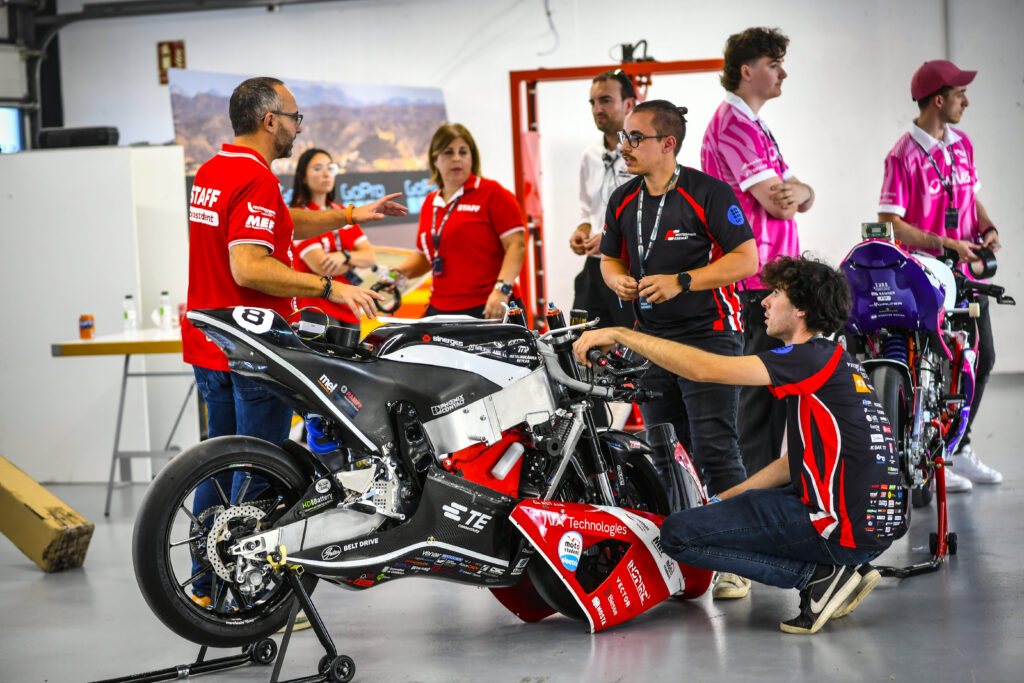
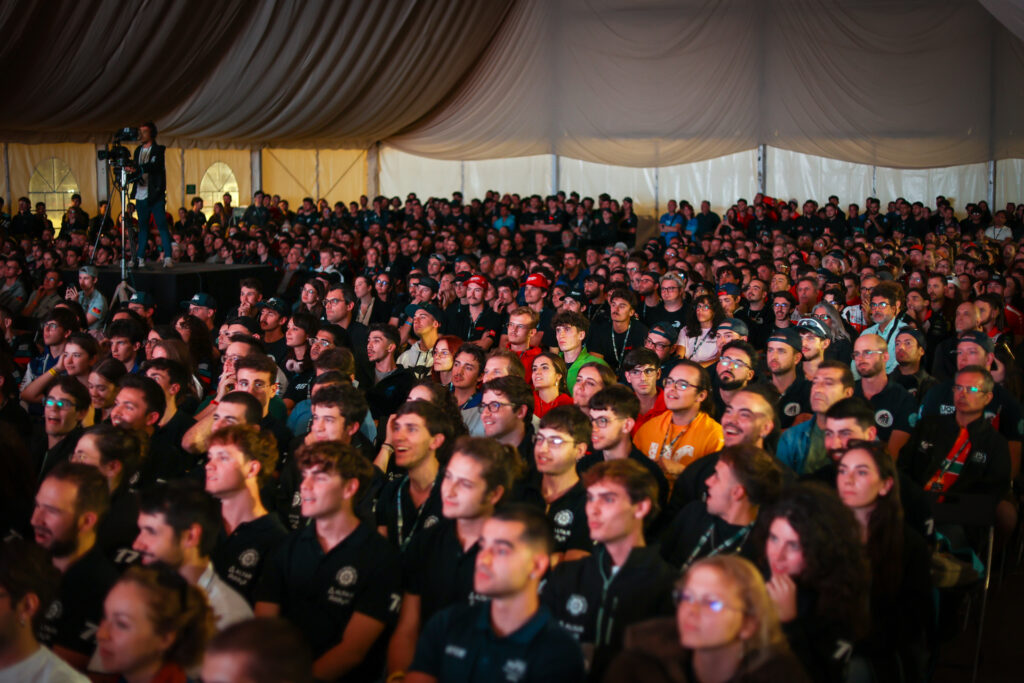
The basic challenge, however, remains the same: Build a working motorcycle, justify your decisions and prove that it works.
More than the results sheet
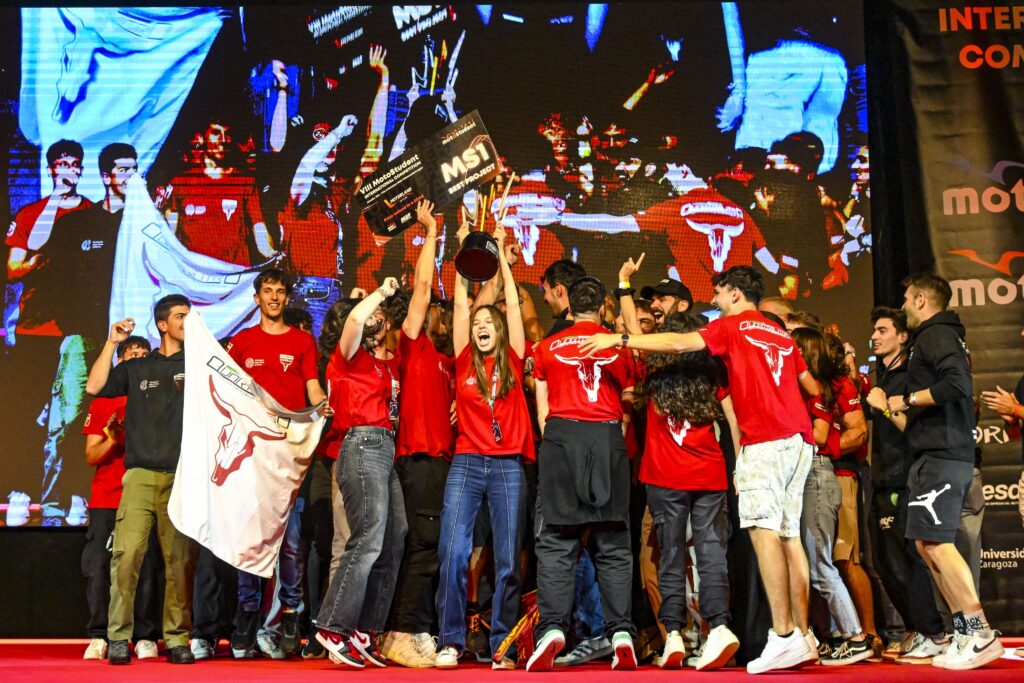
It is, of course, a competition, and someone has to win.
More than €50,000 in prize money is awarded across several categories, including best Electric motorcycle, best eFuel motorcycle and top positions in both the practical and theoretical parts of the competition.
Many of the prizes are sponsored and named by major companies within the industry, which also use the competition as a recruitment channel, interviewing and hiring members of the winning teams directly. A number of former participants have gone on to careers in Formula 1, MotoGP and leading parts of the automotive industry.
But for the students, MotoStudent is at least as much about moving from theory to reality within a limited amount of time: working across different areas of expertise, making decisions with incomplete information, and finally standing beside a motorcycle that did not exist when the project began.
For some, it becomes a route into motorsport; for others, into the automotive industry or research.
And it is also a reminder that tomorrow’s motorcycles are not only being shaped inside today’s major manufacturers. Somewhere, right now, a student is trying to work out why a design still does not quite work.
MotoStudent 2026–2027
The ninth edition of MotoStudent will take place during the 2026–2027 season, following the same basic structure: a global challenge for university teams to design, develop and manufacture a racing motorcycle in either the eFuel or Electric Category.
The competition also holds official FIM trophy status under the title “FIM Trophy for the Future”.
There is still time for universities wishing to compete to register a team for this year’s edition.
Contact: info@motostudent.com
Web: www.motostudent.com
Anna Haglund