

Gotland Grand National 2026 – report from the track
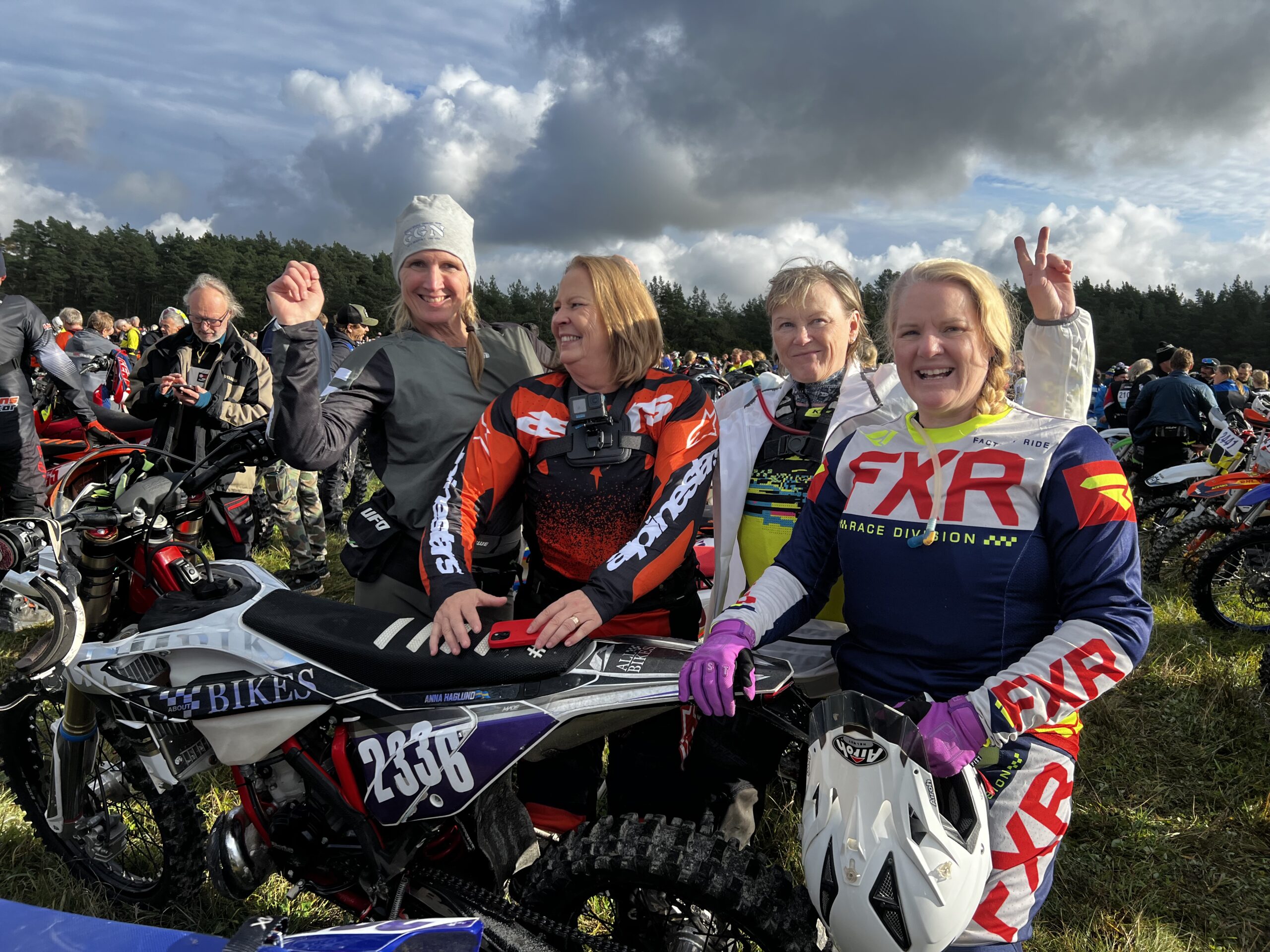
Anticipation in the air
The forecast rain never arrived, and the sun even managed to peek through the clouds from time to time. There’s always a special atmosphere before the start, once you’ve positioned your bike in your allocated starting spot. There’s nervous anticipation in the air, mixed with plenty of laughter and lively conversations. But in the final minutes before the start, everything falls so quiet you could almost hear a pin drop.
When the red light turns green, we’re off. It’s quite a sight to see the entire field of bikes roaring away.
Unfortunately, my start didn’t go quite so well. The bikes in front of me wouldn’t start.
And then the queuing began.
Admittedly, the conditions were better than last year.
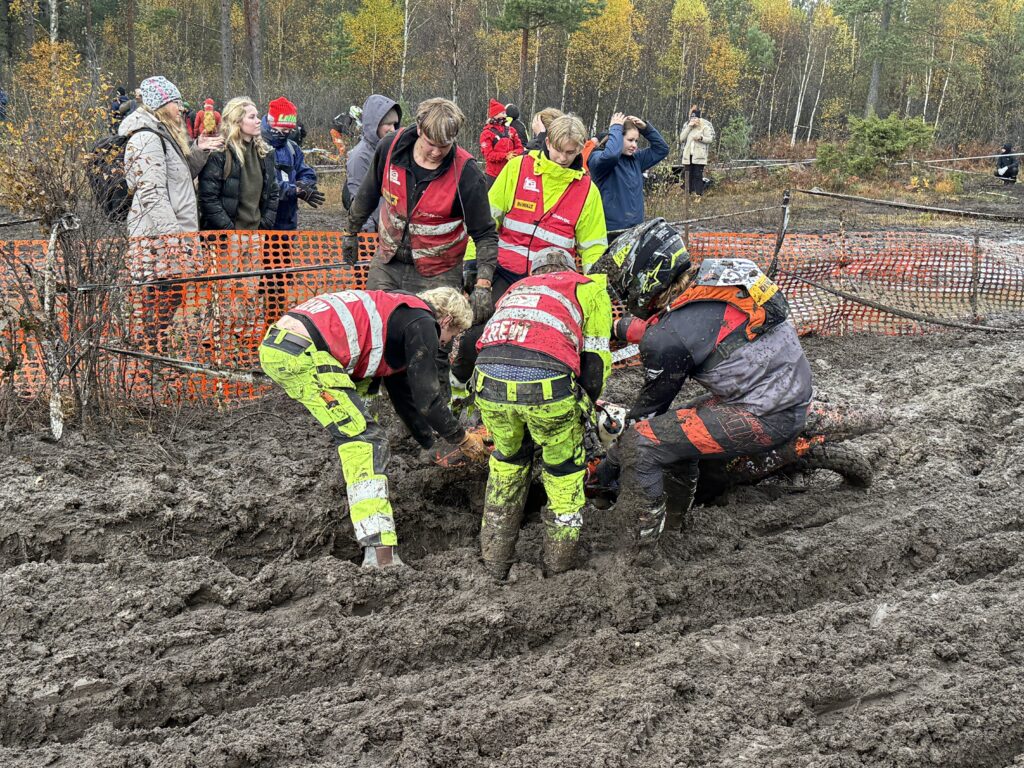
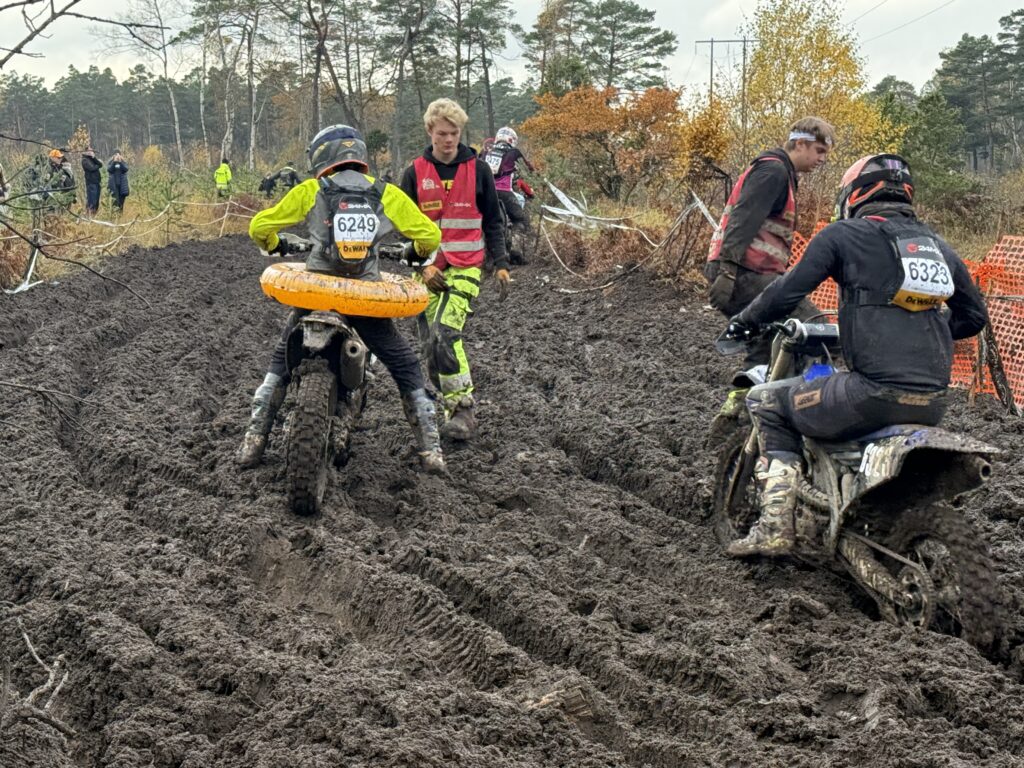
It wasn’t quite as slippery and sticky from the outset, but the ruts were deep, the ground was muddy and bikes were scattered all over the place. In some sections, we were completely stationary, waiting for someone ahead to manage to get moving.
Choosing a line
Getting out of those deep ruts was easier said than done. On a couple of occasions, I tried lifting the front wheel out of a rut to change lines, but couldn’t get the rear wheel to follow. The result was a wheel in each rut, leaving me no choice but to steer back into the original one.
Elsewhere, the mud was so deep that if you had to put a foot down, your boot would get stuck. To pull it free, you had to put your other foot down, which, of course, got stuck too. By the time you finally managed to get going again, your tyres were packed with mud, and traction was practically non-existent.
To make matters even more interesting, my bike had apparently decided to be in a bad mood and kept cutting out at regular intervals.
What really drained my energy, though, was never being able to find any rhythm. It was a constant cycle of stopping, waiting and trying to find a way through.
The power line corridor
Then came the power line corridor, one of the most notorious sections of last year’s race.
There were some noticeable improvements here. The really difficult section was shorter than last year, and I made it through without any major problems. Still challenging, but nothing like the battle I faced in 2025, when I came close to throwing in the towel right here.
And there were actually some really enjoyable sections too. Particularly around Arena 2, where I could finally pick up some speed. Good grip, fun climbs and the chance to open the throttle and shed some of the mud from the tyres.
One lap was enough
By the time I reached the finish, I still had plenty of time to head out for a second lap. But I was tired, fed up with the queues, and my bike had continued to play up. So I decided to call it a day.
Looking back, I’ve wondered whether that was the right decision. Perhaps the second lap would have been a completely different experience once the field had spread out and the worst of the congestion had cleared.
What does the future hold?
So, was this year’s GGN better than last year’s? Yes, absolutely. It was clear that the organisers had worked on the course, and some sections offered genuinely enjoyable riding.
At the same time, it was still tough, both on riders and their bikes. Deep ruts, mud and constant stops take their toll. Radiators boil over, chains come off and clutches burn out.
And that raises a question. Gotland Grand National has always been a challenge, but it’s also an event where ordinary amateur riders make up the vast majority of competitors. Will the organisers continue to develop the course so that more riders have a chance to make it round, or is GGN heading towards becoming an event for a smaller group of riders seeking the toughest possible challenges?
That remains to be seen.
For my part, I can say that this year’s course was a small step in the right direction.
And perhaps I should have gone out for that second lap after all.
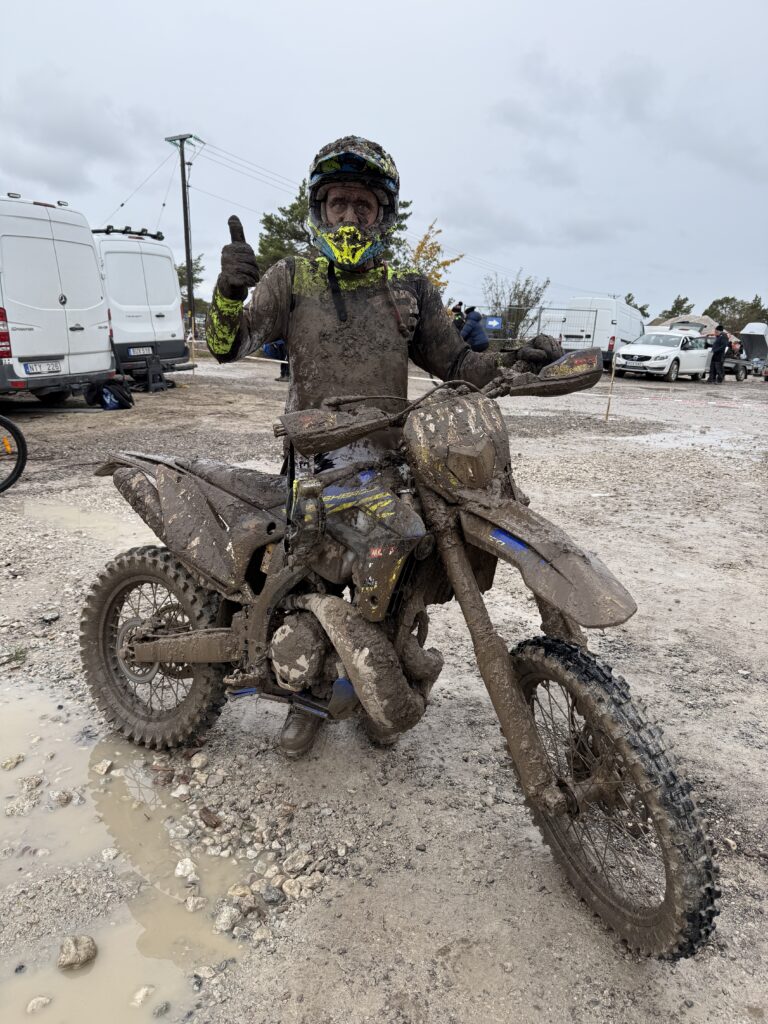
Anna Haglund